Tesla Technologies: 9 Revolutionary Innovations Driving the Future of Electric Mobility
Electric vehicles have evolved from a niche market into one of the fastest-growing sectors in the global automotive industry. Among the companies leading this transformation, Tesla has become synonymous with innovation. While many people recognize the manufacturer for its sleek electric cars, the company’s ambitions extend far beyond transportation.
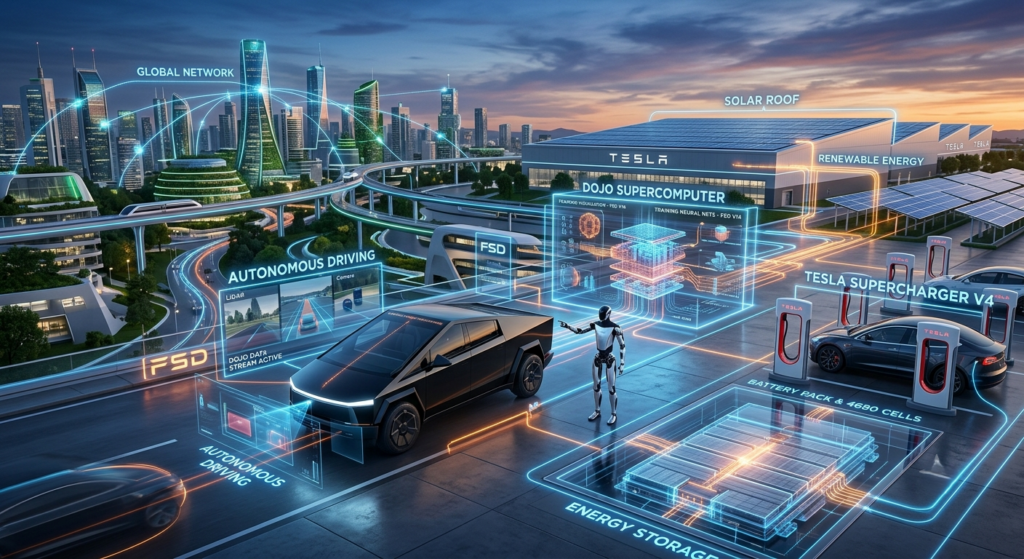
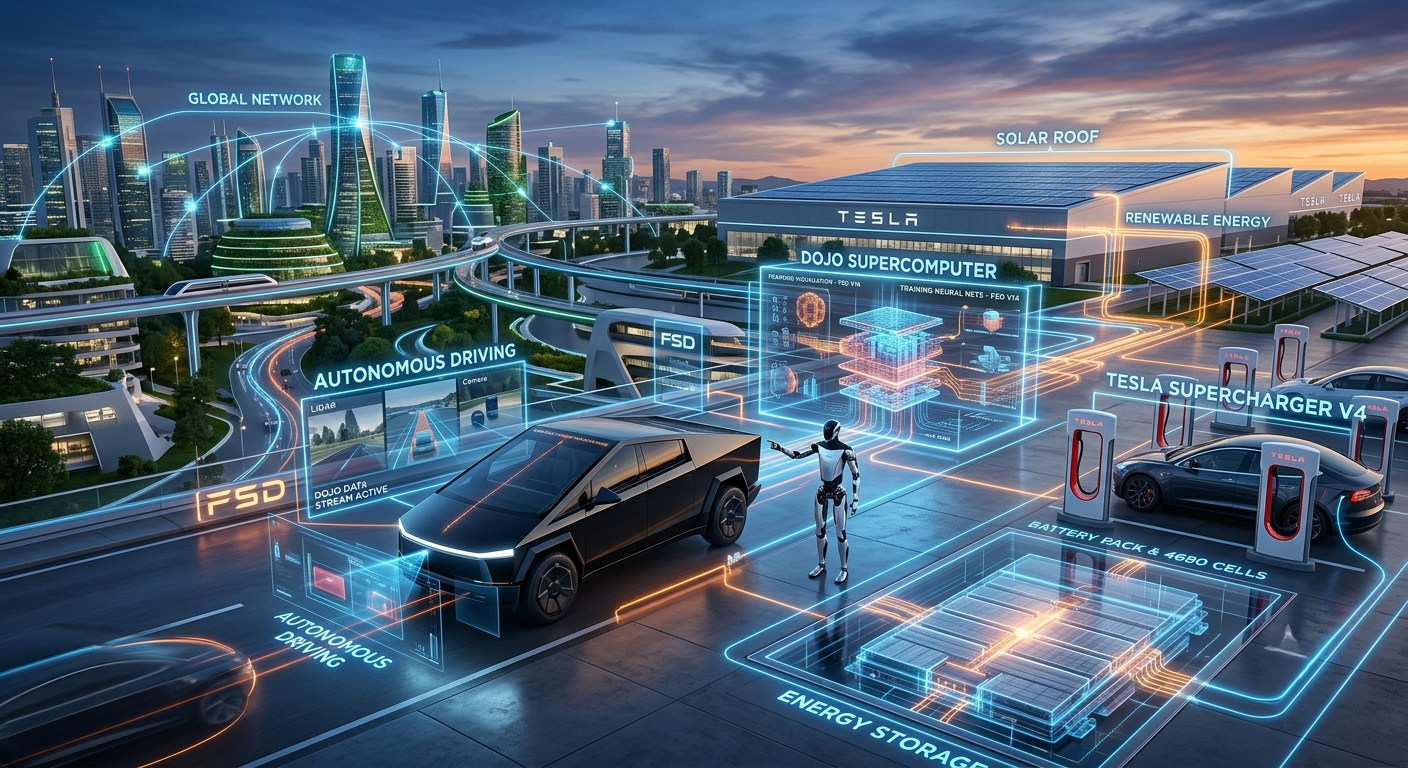
Today, Tesla Technologies encompass artificial intelligence, autonomous driving, robotics, battery development, renewable energy, and large-scale energy storage. By combining software, hardware, and manufacturing expertise, the company aims to reshape not only how people travel but also how electricity is generated, stored, and consumed.
Rather than focusing on a single breakthrough, Tesla has built an ecosystem of technologies that work together. This integrated approach has helped establish the company as one of the world’s most influential technology businesses.
In this article, we’ll explore nine revolutionary innovations that continue driving Tesla’s long-term vision.
Why Tesla Technologies Stand Out
Unlike traditional automakers, Tesla develops much of its technology in-house. This allows the company to improve software, battery systems, artificial intelligence, and manufacturing processes simultaneously.
Some of the company’s major innovation areas include:
- Artificial intelligence
- Electric powertrains
- Battery technology
- Autonomous driving
- Robotics
- Renewable energy
- Energy storage
- Manufacturing automation
- High-performance computing
This broad technology portfolio makes Tesla much more than a car manufacturer.
1. Full Self-Driving (FSD)
One of the most discussed Tesla Technologies is Full Self-Driving (FSD). Using cameras, neural networks, and advanced AI models, the system is designed to assist drivers with navigation, lane changes, parking, and traffic management.
Although driver supervision is still required in many regions, Tesla continues improving FSD through over-the-air software updates and large-scale real-world driving data.
As autonomous driving technology matures, systems like FSD could significantly improve road safety and traffic efficiency.
🔗 Official Resource: https://www.tesla.com/AI
2. The Dojo AI Supercomputer
Training artificial intelligence requires enormous computing power.
Tesla developed the Dojo Supercomputer specifically to train neural networks for autonomous driving.
Unlike traditional data centers, Dojo is optimized for processing massive volumes of driving video collected from Tesla vehicles worldwide.
Its specialized architecture helps accelerate machine learning development and improves future AI capabilities across Tesla products.
3. Optimus Humanoid Robot
Tesla’s Optimus robot represents one of the company’s most ambitious projects.
Designed to perform repetitive, dangerous, or physically demanding tasks, Optimus combines computer vision, AI, and robotics into a human-shaped platform.
Potential applications include:
- factory automation
- warehouse logistics
- healthcare support
- household assistance
- industrial inspection
Although still under development, humanoid robotics could become one of Tesla’s largest long-term growth opportunities.
➡ Read Also:
4. 4680 Battery Cells
Tesla introduced its 4680 battery cells to improve performance while reducing manufacturing costs.
Advantages include:
- higher energy density
- longer driving range
- faster production
- improved structural design
- lower manufacturing costs
Battery innovation remains one of the most important factors determining the future competitiveness of electric vehicles.