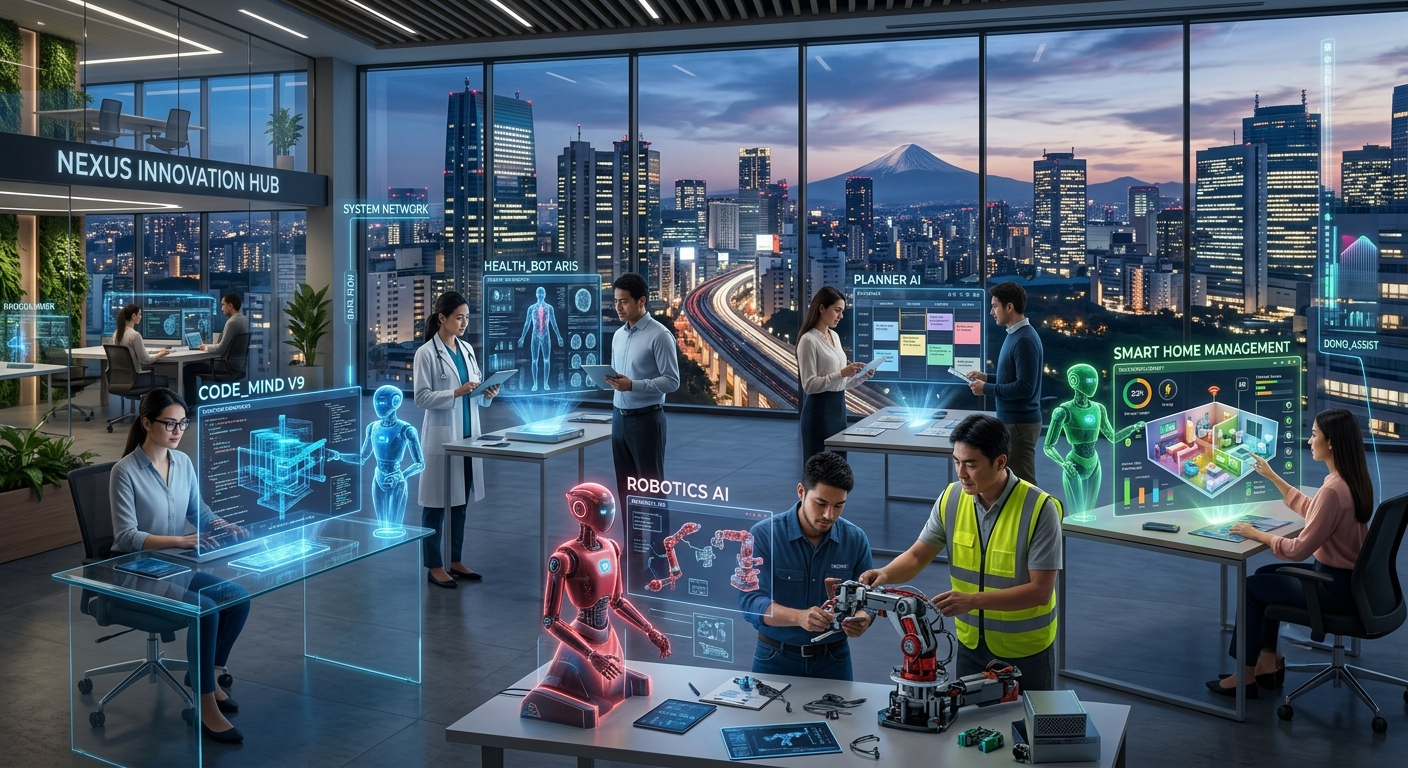
AI Agents: 8 Powerful Ways Artificial Intelligence Is Transforming Everyday Life
Artificial intelligence has progressed far beyond answering questions or generating text. Today’s AI systems are evolving into intelligent digital assistants capable of planning, reasoning, making decisions, and completing complex tasks with minimal human intervention. These advanced systems are commonly known as AI Agents.
Unlike traditional chatbots that simply respond to prompts, AI Agents can analyze information, create plans, use digital tools, remember previous interactions, and even collaborate with other AI systems. Their growing capabilities are changing how people work, learn, shop, communicate, and manage their daily lives.
Technology companies around the world are investing billions of dollars in autonomous AI systems that can improve productivity and automate repetitive work. As these technologies continue to mature, AI Agents are expected to become an essential part of both personal and professional life.
In this article, we’ll explore eight powerful ways AI Agents are transforming everyday life and why they represent one of the most important developments in artificial intelligence.
Why AI Agents Matter
Traditional software follows predefined instructions. AI Agents go much further by understanding goals, adapting to changing situations, and selecting the best actions to achieve desired outcomes.
Key characteristics of AI Agents include:
- autonomous decision-making
- long-term planning
- memory and context awareness
- tool integration
- continuous learning
- collaboration with humans
Rather than replacing people, many AI Agents are designed to work alongside them, handling repetitive tasks while allowing users to focus on creativity, problem-solving, and strategic decisions.
1. Personal Productivity Is Becoming Smarter
One of the most common uses of AI Agents is improving personal productivity.
Instead of simply answering questions, AI Agents can manage complete workflows, including:
- organizing emails
- scheduling meetings
- summarizing documents
- creating presentations
- planning travel
- managing daily tasks
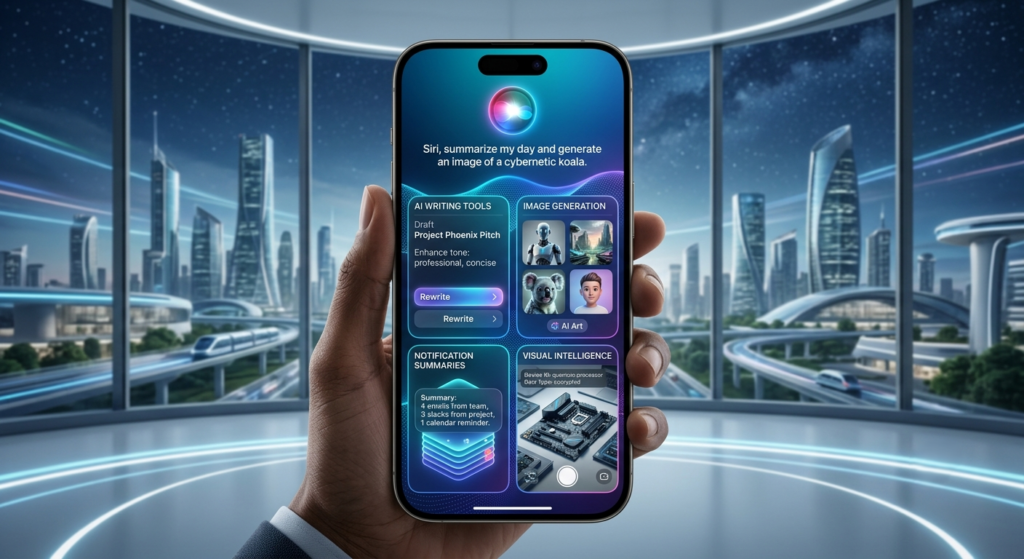
Imagine asking an AI Agent to prepare for an important meeting. Rather than providing a simple response, it could gather background information, summarize recent news, organize your calendar, create presentation slides, and draft follow-up emails—all within a single workflow.
This ability to automate multi-step tasks saves valuable time and helps people focus on higher-value work.
🔗 Official Resource: https://openai.com
2. AI Agents Are Revolutionizing Healthcare
Healthcare is one of the industries benefiting most from intelligent automation.
Modern AI Agents assist medical professionals by:
- analyzing patient records
- identifying potential health risks
- supporting medical diagnoses
- summarizing clinical notes
- monitoring patients remotely
- accelerating drug discovery
Rather than replacing doctors, these systems reduce administrative workloads and improve access to critical information.
As healthcare providers continue adopting digital technologies, AI Agents may help deliver faster diagnoses, better treatment planning, and more personalized patient care.
➡ Read Also: How AI Is Transforming Healthcare
3. Businesses Are Automating Complex Workflows
Companies increasingly rely on AI Agents to improve efficiency across multiple departments.
Business applications include:
- customer support
- financial reporting
- inventory management
- project coordination
- sales automation
- marketing optimization
Unlike traditional automation tools, AI Agents can adapt to changing situations and make recommendations based on real-time information.
For example, an AI Agent could monitor sales performance, identify trends, generate reports, and recommend pricing adjustments without constant human supervision.
4. Software Development Is Becoming Faster
Developers are using AI Agents to accelerate software creation and maintenance.
These systems can help with:
- writing code
- debugging applications
- reviewing pull requests
- generating documentation
- testing software
- identifying security vulnerabilities
Rather than replacing programmers, AI Agents function as intelligent development assistants that improve productivity and reduce repetitive coding tasks.
As programming tools continue evolving, collaboration between developers and AI systems is expected to become standard practice across the software industry.