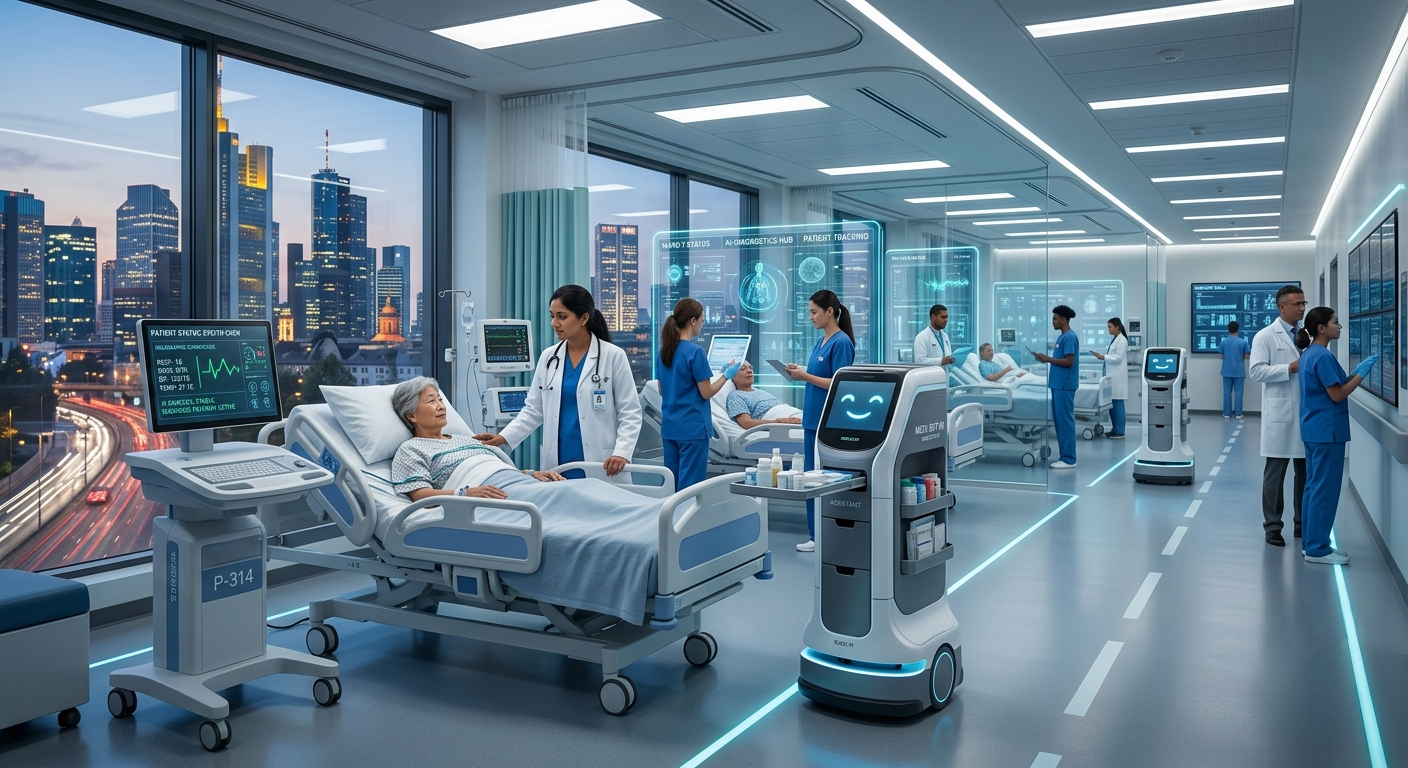
AI Healthcare: 7 Powerful Changes Improving Medicine in 2026
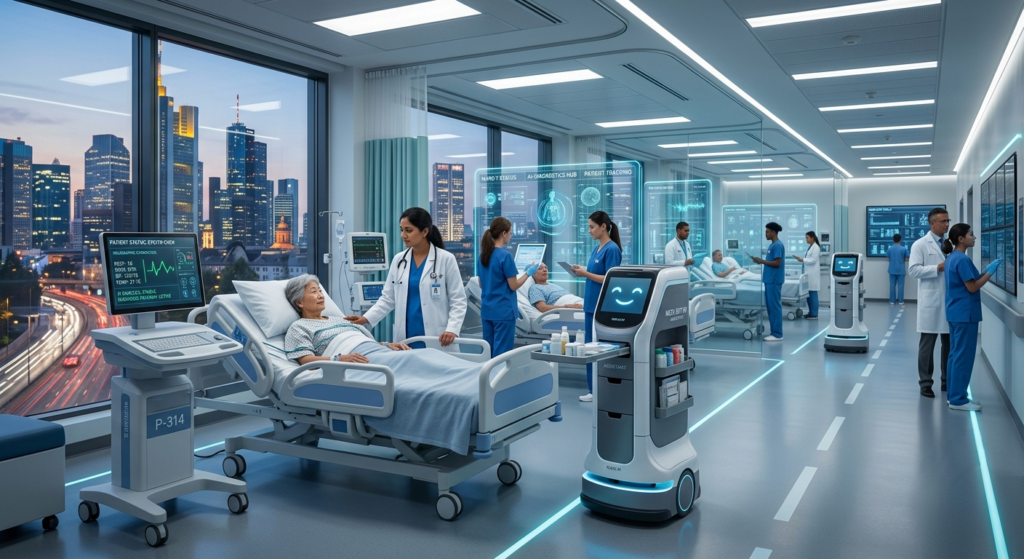
AI Healthcare is transforming medicine faster than ever before. Hospitals, clinics, and research centers are now using artificial intelligence to improve diagnosis, treatment, and patient care.
In 2026, AI is no longer experimental in healthcare. It has become an important part of daily medical operations. From detecting diseases earlier to helping doctors make faster decisions, AI is improving both efficiency and accuracy.
This shift is changing how healthcare works worldwide.
Why AI Healthcare Matters
Healthcare systems face growing pressure.
Challenges include:
- rising patient numbers
- staff shortages
- increasing treatment costs
- complex diagnoses
This is where AI Healthcare makes a major impact.
It helps reduce workloads and improve patient outcomes.
1. Faster Disease Detection
AI systems can analyze medical scans faster than humans.
This helps detect:
- cancer
- heart disease
- lung conditions
- brain disorders
Early diagnosis improves survival rates.
This is one of the strongest benefits of AI Healthcare.
🔗 Official Resource: World Health Organization
2. Smarter Medical Imaging
AI improves imaging analysis for:
- X-rays
- MRIs
- CT scans
- ultrasounds
This helps doctors identify issues more accurately.
Medical imaging is becoming one of the fastest-growing areas in AI medicine.
➡ Read Also: How Virtual Reality Is Improving Medical Training
3. Personalized Treatment Plans
AI can analyze patient history and suggest personalized treatment options.
This improves:
- medication choices
- treatment speed
- long-term care planning
Personalized medicine is becoming more effective through AI systems.
4. Hospital Automation Is Growing
Hospitals now use AI for:
- scheduling
- patient records
- workflow management
- inventory systems
This saves time and reduces errors.
Automation is one of the most practical uses of AI Healthcare.
🔗 Official Resource: National Institutes of Health
5. Remote Monitoring Is Improving Care
Wearable devices powered by AI can monitor:
- heart rate
- oxygen levels
- blood pressure
- sleep patterns
This helps doctors track patients without requiring constant hospital visits.
Remote care is becoming much stronger.
6. Drug Development Is Getting Faster
AI helps researchers test and analyze chemical compounds much faster.
This speeds up:
- medicine discovery
- vaccine development
- treatment testing
Drug research is becoming more efficient.
7. Robotic Surgery Is Becoming More Advanced
AI-assisted robotic systems now help with precision surgeries.
Benefits include:
- smaller incisions
- faster recovery
- lower risk
- higher precision
This makes complex procedures safer.
Challenges in AI Healthcare
Despite progress, problems remain.
Privacy Concerns
Medical data remains sensitive.
Accuracy Risks
AI systems still need human review.
High Costs
Advanced systems are expensive.
Regulation Issues
Medical AI faces strict legal requirements.
These challenges still matter.
What Comes Next
Experts expect:
- faster diagnostics
- stronger remote care
- better medical robots
- smarter patient analysis
- improved drug discovery
The next decade may completely reshape healthcare systems.
How AI Healthcare Is Changing Patient Experience
Beyond hospitals and doctors, AI Healthcare is also changing the patient experience directly. In the past, patients often had to wait long hours for appointments, test results, and treatment plans. AI systems are helping reduce these delays.
For example, AI chatbots can now assist patients by:
- answering medical questions
- booking appointments
- sending reminders
- guiding symptom checks
This improves communication and saves time for both patients and healthcare staff.
AI is also improving patient monitoring outside hospitals. Smart devices can track important health data and alert doctors immediately if unusual patterns appear. This helps detect serious problems before they become emergencies.
Another important change is accessibility. Patients in remote areas can now access AI-powered medical systems through smartphones and telemedicine platforms. This reduces travel costs and improves healthcare access.
As these systems continue improving, patients will likely receive faster, more personalized, and more efficient care than ever before.
Final Outlook
AI Healthcare is becoming one of the most important technological shifts in modern medicine. It improves speed, accuracy, and patient care while reducing pressure on healthcare systems.
The future of medicine will likely depend heavily on how well AI and human doctors work together.