
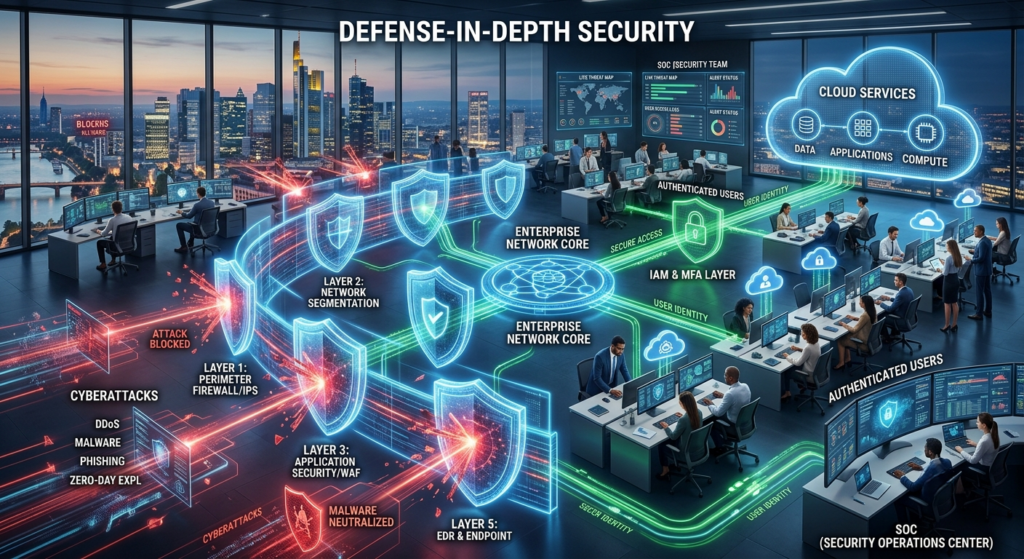
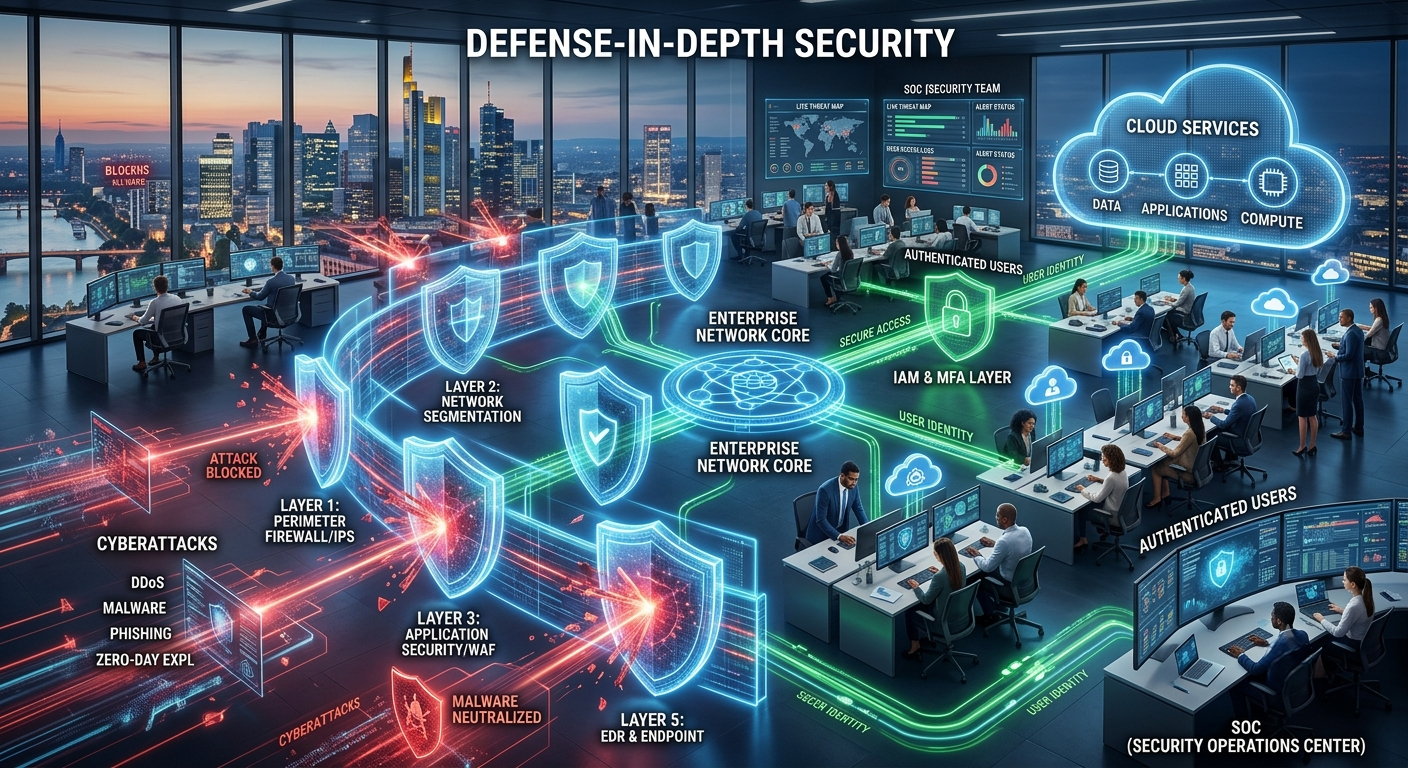
Zero Trust Security protecting enterprise cloud networks
Zero Trust Security verifies every user, device, and application before granting access.

Zero Trust Security: 7 Powerful Strategies Protecting Modern Businesses

For many years, organizations secured their networks using a traditional perimeter-based approach. Once users successfully logged into the corporate network, they were often trusted to access multiple systems and resources. While this model worked reasonably well when employees primarily worked from office locations, today’s digital environment is very different.

Modern businesses rely on cloud computing, remote work, mobile devices, third-party applications, and Internet of Things (IoT) devices. As a result, cybercriminals have far more opportunities to exploit stolen credentials, compromised devices, and unsecured connections.

To address these evolving threats, organizations are increasingly adopting Zero Trust Security. Rather than assuming any user or device is trustworthy, Zero Trust continuously verifies every access request before granting permission. This approach significantly reduces the risk of unauthorized access and helps protect sensitive business data.

In this article, we’ll explore seven powerful strategies that make Zero Trust Security one of today’s most important cybersecurity frameworks.


What Is Zero Trust Security?

Zero Trust Security is a cybersecurity model based on a simple principle:

Never trust, always verify.

Instead of automatically trusting users because they are connected to the corporate network, every request is evaluated based on multiple security factors.

These factors may include:

  • user identity
  • device health
  • geographic location
  • network connection
  • application risk
  • access history

Every login attempt is treated as a new authentication event, helping organizations reduce the impact of compromised accounts.


1. Never Trust, Always Verify

Traditional security models often assume that users inside the network can be trusted.

Zero Trust eliminates this assumption.

Every request is verified before access is granted.

Continuous verification may involve:

  • biometric authentication
  • device certificates
  • security tokens
  • behavioral analysis
  • risk scoring
  • real-time monitoring

Even authenticated users may need additional verification when accessing sensitive resources or connecting from unfamiliar locations.


2. Least Privilege Access

One of the core principles of Zero Trust Security is granting users only the permissions they actually need.

This concept, known as least privilege access, minimizes potential damage if an account becomes compromised.

For example:

  • HR employees access payroll systems.
  • Finance teams access accounting software.
  • Developers access source code repositories.
  • Marketing teams access analytics platforms.

By limiting unnecessary permissions, organizations reduce the attack surface available to cybercriminals.


3. Continuous Identity Verification

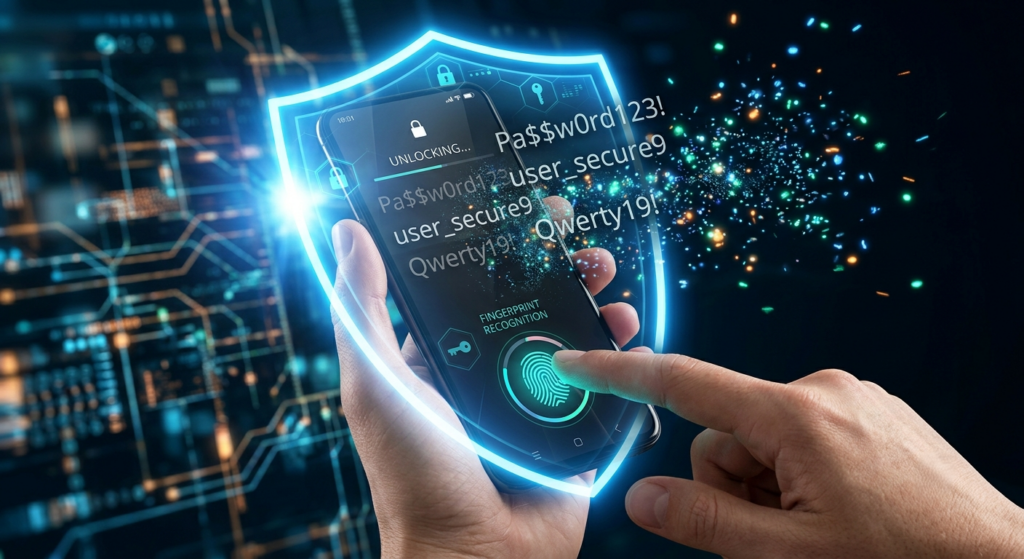
User authentication is no longer a one-time event.

Zero Trust continuously evaluates identity throughout an active session.

Modern verification methods include:

  • biometric authentication
  • hardware security keys
  • passkeys
  • device compliance checks
  • behavioral analytics
  • adaptive authentication

If suspicious activity is detected, additional verification or access restrictions can be applied immediately.


4. Protecting Cloud Services

Cloud computing has transformed how businesses operate, but it has also introduced new security challenges.

Employees now access company resources from:

  • public cloud platforms
  • Software-as-a-Service (SaaS) applications
  • remote offices
  • home networks
  • mobile devices

Zero Trust Security helps secure these environments by validating every connection before access is granted, regardless of where the user is located.

5. Microsegmentation Limits Cyberattacks

One of the most effective components of Zero Trust Security is microsegmentation. Instead of treating the entire corporate network as one trusted environment, organizations divide it into smaller, isolated segments.

If attackers manage to compromise one device or account, they cannot easily move across the network because every segment has its own security controls.

Microsegmentation helps organizations:

  • reduce lateral movement
  • isolate sensitive systems
  • protect critical business applications
  • secure production environments
  • improve network visibility
  • contain cyber incidents more quickly

This approach significantly limits the impact of ransomware and other sophisticated cyberattacks.


6. Artificial Intelligence Strengthens Zero Trust

Artificial intelligence is becoming an essential part of modern cybersecurity. AI systems can analyze enormous amounts of security data far faster than humans, helping organizations detect suspicious behavior in real time.

Examples include:

  • unusual login patterns
  • impossible travel detection
  • abnormal device behavior
  • unexpected data transfers
  • insider threat detection
  • automated threat response

Instead of relying only on predefined security rules, AI continuously learns from user behavior and identifies potential risks before they develop into serious security incidents.

As cyber threats become increasingly sophisticated, AI-driven Zero Trust platforms are expected to play an even greater role in protecting digital infrastructure.


7. Zero Trust Supports Modern Remote Work

Remote and hybrid work have permanently changed how organizations operate. Employees now connect from homes, hotels, airports, and mobile networks around the world.

Traditional perimeter-based security can no longer provide sufficient protection in these environments.

Zero Trust Security secures remote work by verifying:

  • user identity
  • device compliance
  • connection security
  • application permissions
  • session activity
  • access requests

Whether an employee works from the office or another country, every connection is evaluated using the same security principles.

This consistent approach improves protection while giving employees secure access to the resources they need.

🔗 Official Resource: nist.gov


Challenges of Zero Trust Security

Although Zero Trust provides significant security benefits, implementing it requires careful planning.

Legacy Systems

Older applications and infrastructure may not fully support modern authentication or continuous verification.

Initial Deployment Costs

Organizations often need to invest in identity management, endpoint protection, monitoring tools, and employee training.

User Experience

Additional authentication checks can initially feel inconvenient if they are not implemented thoughtfully.

Continuous Management

Zero Trust is not a one-time deployment. Policies, identities, devices, and permissions must be monitored and updated as business needs evolve.

Despite these challenges, many organizations consider the long-term security improvements well worth the investment.


The Future of Zero Trust Security

As cloud computing, artificial intelligence, and connected devices continue to expand, Zero Trust Security is expected to become a standard cybersecurity framework rather than an optional enhancement.

Future developments may include:

  • AI-powered risk assessment
  • continuous behavioral authentication
  • stronger identity verification
  • passwordless authentication
  • automated policy enforcement
  • deeper cloud security integration
  • quantum-resistant cryptography
  • autonomous security operations

Businesses that adopt Zero Trust today will be better prepared to defend against increasingly sophisticated cyber threats while supporting secure digital transformation.


Final Thoughts

Zero Trust Security has become one of the most effective approaches to protecting modern organizations. By eliminating implicit trust and continuously verifying every user, device, and application, businesses can significantly reduce the risk of unauthorized access, ransomware, and data breaches.

As digital environments become increasingly distributed and cloud-based, traditional perimeter security alone is no longer sufficient. Zero Trust provides a flexible, scalable framework that helps organizations secure remote work, cloud services, and connected devices without compromising productivity.

While implementation requires planning and ongoing management, the long-term benefits—including stronger security, improved visibility, and greater resilience against cyber threats—make Zero Trust Security a critical investment for the future.

Disclaimer: This article is intended for informational and educational purposes only. Security strategies should be adapted to each organization’s specific infrastructure, regulatory requirements, and risk profile. Always consult official cybersecurity guidance and qualified security professionals when implementing Zero Trust architectures.