
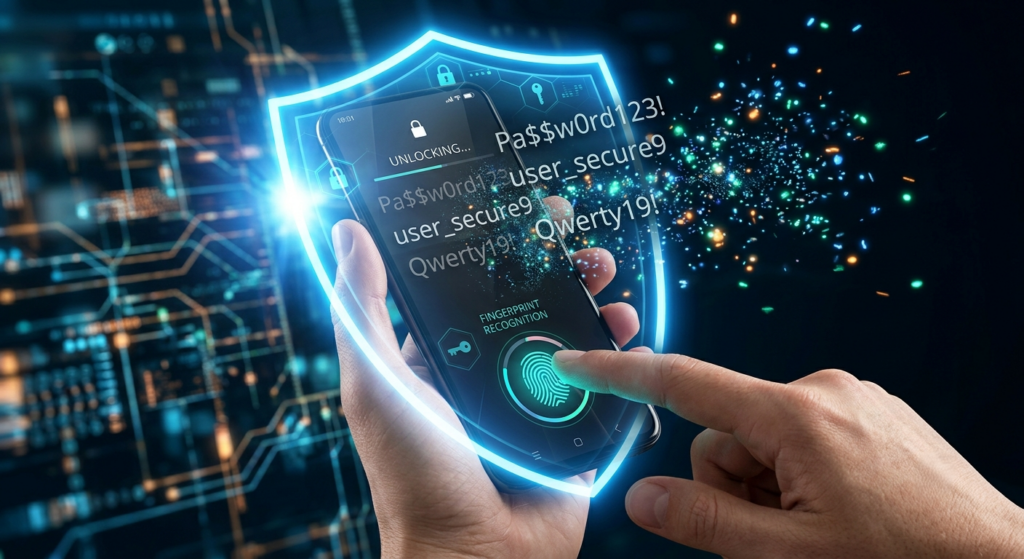
Passkeys replacing passwords with secure biometric authentication
Passkeys provide a faster and more secure alternative to traditional passwords.

Passkeys: 7 Powerful Reasons They Are Replacing Passwords

For decades, passwords have been the standard way to protect online accounts. From email and banking to social media and cloud storage, users have relied on combinations of letters, numbers, and symbols to secure their digital identities. However, passwords have also become one of the weakest links in cybersecurity. Weak credentials, password reuse, phishing attacks, and large-scale data breaches continue to expose millions of accounts every year.

To address these challenges, the technology industry is moving toward a more secure alternative known as Passkeys. Instead of remembering complex passwords, users can authenticate using fingerprints, facial recognition, or a device PIN while cryptographic keys provide strong protection behind the scenes.

Major technology companies, including Apple, Google, and Microsoft, have already integrated passkey support into their platforms, making passwordless authentication more accessible than ever. As adoption continues to grow, this technology has the potential to significantly improve both security and user convenience.

In this article, we’ll explore seven powerful reasons why passkeys are replacing passwords and what this shift means for the future of digital security.


Why Passkeys Matter

Traditional passwords depend on users creating and remembering secure credentials.

Passkeys use modern cryptography instead.

This approach offers several important advantages:

  • stronger account protection
  • faster authentication
  • resistance to phishing attacks
  • improved user experience
  • reduced password reuse
  • better enterprise security

Rather than storing a secret password on a website, passkeys rely on a pair of cryptographic keys that work together to verify your identity without revealing sensitive information.


1. Better Protection Against Phishing

One of the biggest advantages of Passkeys is their resistance to phishing attacks.

Traditional passwords can be stolen through fake login pages designed to trick users into entering their credentials.

Passkeys work differently.

Authentication only succeeds with the legitimate website that originally created the cryptographic key pair. Even if someone unknowingly visits a fraudulent website, the authentication process will not complete because the cryptographic information does not match.

This dramatically reduces one of today’s most common cybersecurity threats.

πŸ”— Official Resource: https://fidoalliance.org


2. Faster and Easier Sign-Ins

Remembering dozens of complex passwords has become frustrating for many users.

Passkeys simplify authentication by allowing people to sign in using:

  • fingerprint recognition
  • facial recognition
  • Windows Hello
  • device PIN
  • security keys

Instead of typing long passwords, authentication often takes only a few seconds.

This improved convenience encourages stronger security because users no longer need to create simple or reused passwords.


3. Stronger Protection Against Data Breaches

Traditional websites typically store password-related information on their servers. If attackers compromise those systems, stolen password databases may eventually be cracked or reused on other websites.

With passkey technology, the private cryptographic key never leaves the user’s trusted device.

Only a public key is stored by the online service, making large-scale credential theft significantly more difficult.

As a result, even successful data breaches expose far less useful information to attackers.


4. Passwordless Authentication Improves Business Security

Businesses are increasingly adopting passwordless authentication to strengthen cybersecurity while simplifying employee access.

Benefits include:

  • reduced password reset requests
  • improved identity protection
  • lower phishing risk
  • simplified user management
  • stronger compliance
  • better remote access security

Organizations also spend less time managing forgotten passwords, allowing IT teams to focus on higher-value security initiatives.

5. Seamless Access Across Multiple Devices

Modern users switch between smartphones, tablets, laptops, and desktop computers throughout the day. Password management across multiple devices can quickly become inconvenient, especially when credentials need to be remembered or synchronized.

With Passkeys, authentication can be securely synchronized across trusted devices through supported ecosystem services, allowing users to sign in without repeatedly creating or remembering passwords.

Benefits include:

  • quick access on multiple devices
  • reduced login frustration
  • secure device synchronization
  • fewer forgotten credentials
  • consistent user experience
  • simplified account management

This convenience makes passwordless authentication attractive for both individuals and businesses.


6. Built for the Future of Digital Security

Cybersecurity threats continue to evolve, requiring stronger authentication methods than traditional passwords can provide.

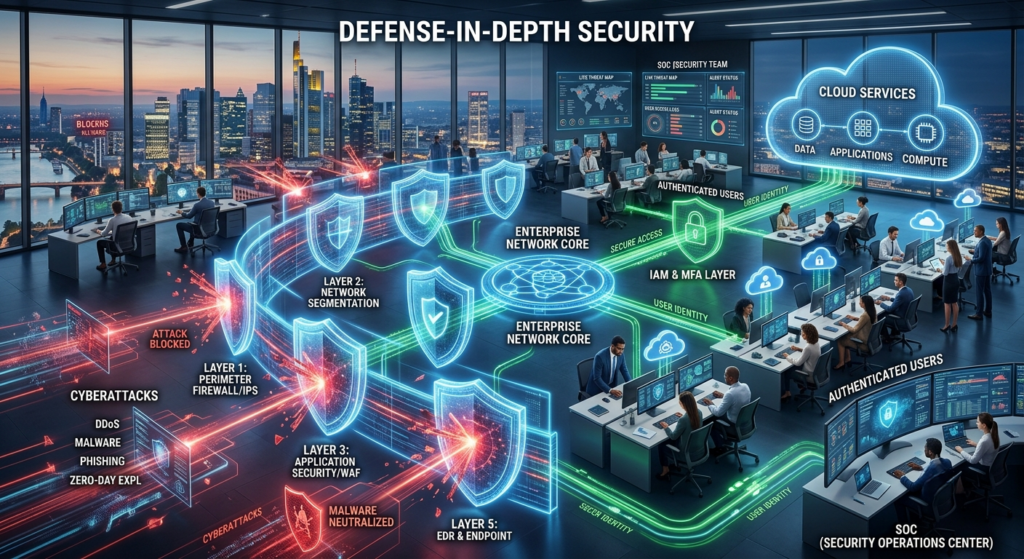
Passkeys support modern security strategies by working alongside technologies such as:

  • Zero Trust security
  • multi-factor authentication
  • biometric verification
  • hardware security modules
  • encrypted cloud services
  • enterprise identity management

Instead of relying on information that users can accidentally reveal, this authentication model verifies identity through cryptographic methods that are significantly more difficult to compromise.

As organizations modernize their infrastructure, passwordless authentication is expected to become a standard security feature.


7. A Growing Industry Standard

Support for passkey authentication continues to expand across operating systems, browsers, and online services.

Many major technology companies now support or are actively implementing passwordless sign-in solutions.

Growing adoption is helping create a more consistent experience across different platforms while encouraging developers to replace traditional password systems.

As more websites and applications introduce support, users are likely to encounter passwordless authentication much more frequently over the coming years.

πŸ”— Official Resource: https://learn.microsoft.com/windows/security/identity-protection/passkeys/


Challenges of Passwordless Authentication

Although passkeys offer significant advantages, several challenges remain during the transition away from passwords.

Website Compatibility

Not every website or application currently supports passkey authentication. Many services still rely entirely on usernames and passwords.

User Awareness

Many people are unfamiliar with passwordless authentication and may initially hesitate to adopt a different sign-in method.

Device Recovery

If a trusted device is lost or damaged, users should ensure they have appropriate account recovery options available to regain access securely.

Enterprise Adoption

Organizations may need to update authentication systems, employee policies, and identity management platforms before fully replacing passwords.

These challenges are gradually becoming easier to address as industry support continues to expand.


The Future of Passkeys

Passwordless authentication is expected to play a central role in the future of cybersecurity.

Future developments may include:

  • wider adoption across websites
  • deeper integration with digital identity systems
  • stronger enterprise security
  • improved biometric authentication
  • enhanced cross-platform compatibility
  • simplified account recovery
  • AI-assisted identity protection

Rather than remembering dozens of complex passwords, users may increasingly rely on secure cryptographic authentication that is both easier to use and more resistant to cyberattacks.


Final Thoughts

Passkeys represent one of the most significant improvements in digital authentication in recent years. By replacing traditional passwords with cryptographic key pairs and biometric verification, they offer stronger protection against phishing, credential theft, and password reuse while making sign-ins faster and more convenient.

As support continues to grow across operating systems, browsers, and online services, passwordless authentication is becoming increasingly practical for both consumers and businesses. Although the transition will take time, the direction is clear: modern authentication is moving toward solutions that improve both security and usability.

Understanding how passkeys work today can help individuals and organizations prepare for a future where passwords are no longer the primary method of protecting digital accounts.

Disclaimer: This article is for informational and educational purposes only. Security features and passkey support vary by device, operating system, browser, and online service. Always follow the latest recommendations from your service providers and use appropriate account recovery options to protect your digital identity.