9 Powerful Sustainable Data Centers Trends Transforming Green Technology in 2026
Sustainable data centers are becoming one of the most important parts of the modern digital world. As internet usage, cloud computing, and artificial intelligence continue growing, global demand for server infrastructure is increasing rapidly. This also means higher energy consumption.
In 2026, companies are focusing heavily on building greener and more energy-efficient facilities to reduce environmental impact while maintaining performance.
Why Sustainable Data Centers Matter
Modern digital services rely heavily on server infrastructure.
Every online service depends on facilities that store and process massive amounts of data.
These operations consume enormous resources such as:
- Electricity
- Water for cooling
- Backup power systems
- Network infrastructure
Reducing this footprint has become a top priority for major technology companies.
1. Renewable Energy Is Becoming Standard
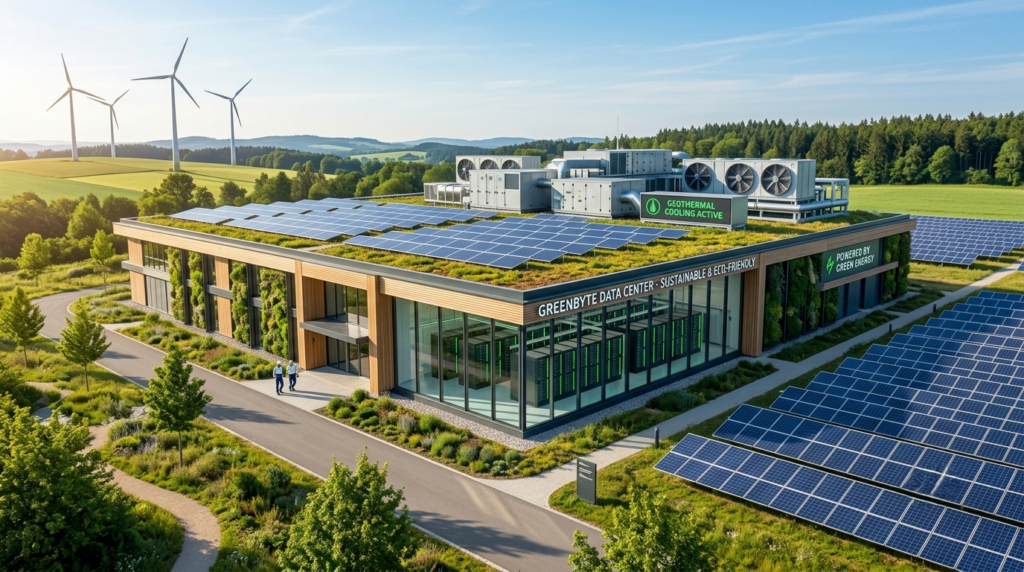
One of the biggest sustainability trends is renewable energy.
Many operators now use:
- Solar power
- Wind energy
- Hydroelectric power
Companies like Google Data Center Efficiency have invested heavily in renewable-powered infrastructure.
This helps reduce carbon emissions significantly.
2. Advanced Cooling Systems
Cooling remains one of the largest energy consumers.
Traditional cooling systems are expensive and inefficient.
Modern green facilities now use:
- Liquid cooling
- Outside air cooling
- AI-controlled temperature systems
These technologies improve efficiency while lowering energy use.
Cooling innovation is critical for future server infrastructure.
3. AI-Based Energy Optimization
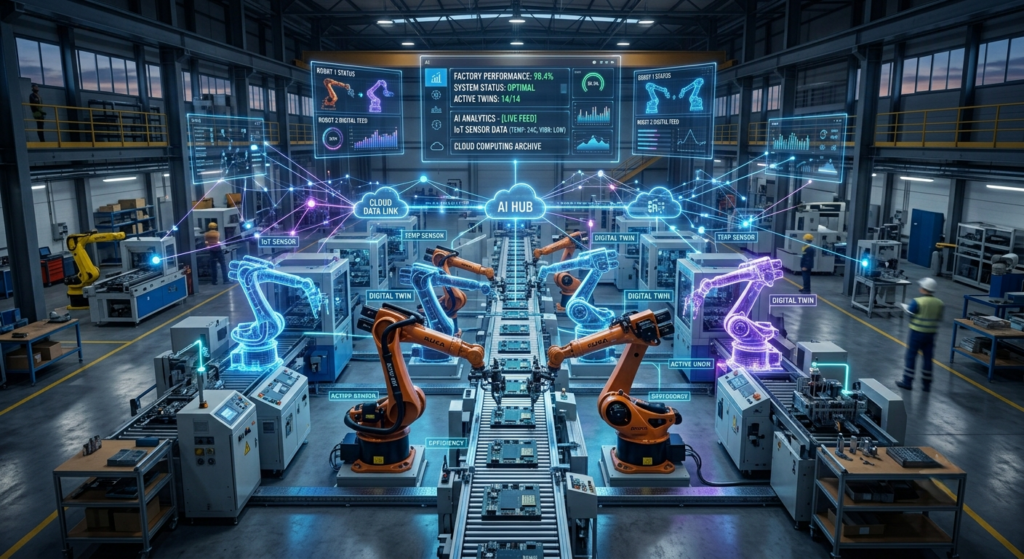
Artificial intelligence is helping operators optimize power consumption.
AI systems monitor:
- Server workloads
- Temperature changes
- Power usage
- Cooling efficiency
This allows smarter adjustments in real time.
AI-driven optimization reduces waste and improves performance.
4. Better Hardware Efficiency
New server hardware is becoming more energy-efficient.
Modern processors now deliver higher performance with lower power usage.
This helps operators reduce operational costs while maintaining strong computing power.
Hardware improvements are essential for greener infrastructure.
5. Water Usage Reduction
Cooling systems often use large amounts of water.
New sustainability efforts focus on reducing water consumption through better cooling technologies.
This includes:
- Closed-loop systems
- Water recycling
- Air cooling alternatives
Reducing water waste is becoming a major environmental goal.
6. Modular Infrastructure Design
Modular data centers are growing in popularity.
Instead of building large facilities at once, companies can expand gradually.
Benefits include:
- Better scalability
- Lower initial waste
- Faster deployment
- More efficient space usage
This makes infrastructure planning more sustainable.
7. Heat Recycling Systems
Modern facilities are finding ways to reuse excess heat.
Instead of wasting heat, some systems redirect it to:
- Nearby buildings
- Heating systems
- Industrial operations
This improves overall energy efficiency.
It also creates additional value.
8. Better Carbon Reporting
Businesses are becoming more transparent about environmental impact.
Operators now track:
- Carbon emissions
- Energy sources
- Resource consumption
Companies like Microsoft Sustainable Data Centers are investing heavily in carbon reduction programs.
Transparency improves accountability.
9. Future Green Infrastructure Goals
The industry is moving toward carbon-neutral operations.
Future goals include:
- Zero-emission facilities
- Fully renewable energy systems
- Smarter energy storage
- AI-driven cooling networks
These improvements will help reduce the global environmental footprint.
Challenges for Green Server Infrastructure
Despite progress, challenges remain.
High Initial Costs
Green technology often requires large investments.
Rising Global Demand
More cloud services increase infrastructure pressure.
Hardware Waste
Electronic waste remains a serious issue.
Long-term solutions are still developing.
The Future of Sustainable Data Centers
The future looks promising.
Experts predict stronger innovation in:
- Renewable power systems
- Efficient cooling technologies
- Better server designs
- Carbon-neutral operations
As digital demand grows, sustainable data centers will become even more important.
Final Thoughts
Sustainable data centers are shaping the future of digital infrastructure by improving efficiency and reducing environmental impact. In 2026, greener technology will continue driving major changes in how server facilities are built and managed.
For the tech industry, sustainability is no longer optional — it is becoming essential.