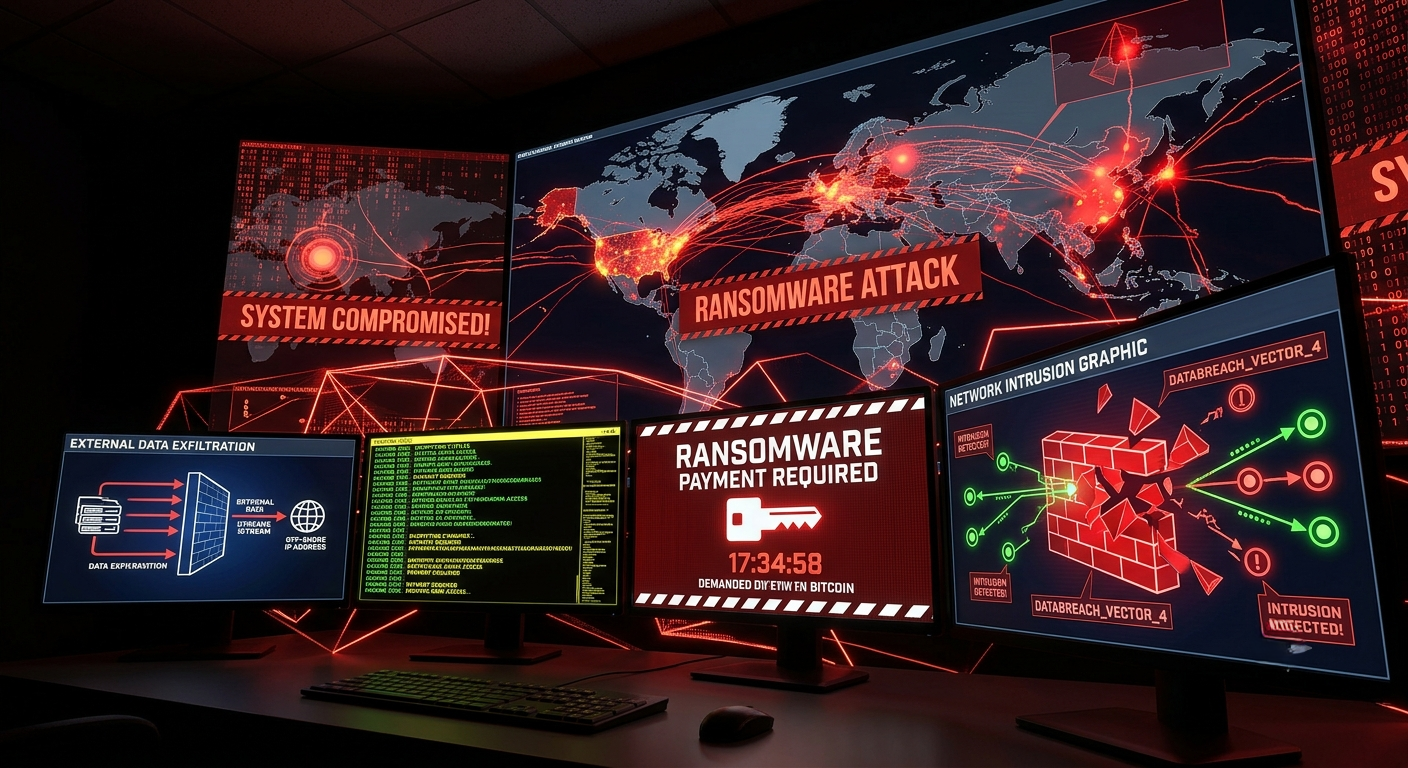
9 Dangerous Cybersecurity Threats in 2026 Every Business Must Prepare For
Cybersecurity threats in 2026 are becoming more advanced, aggressive, and difficult to detect. As businesses continue relying on cloud systems, remote work, and connected devices, attackers are finding new ways to exploit weaknesses.
The digital threat landscape is changing rapidly, making stronger security strategies more important than ever. Organizations must now prepare for smarter, faster, and more damaging cyberattacks.
Why Cybersecurity Threats in 2026 Are Growing
Modern businesses are now more connected than ever before.
This creates larger attack surfaces across:
- Cloud platforms
- Employee devices
- Business applications
- IoT systems
- Digital payment platforms
As technology evolves, cybercriminals continue adapting their methods and creating more dangerous attack strategies.
1. Ransomware Attacks Are Becoming More Advanced
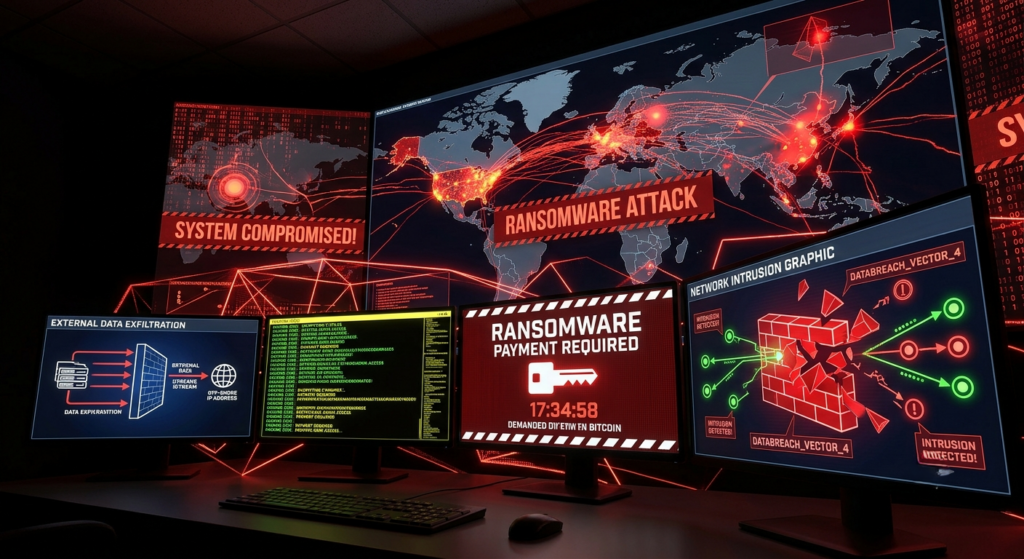
Ransomware remains one of the biggest dangers in the cybersecurity world.
Attackers now use stronger encryption, automated spreading methods, and targeted attacks.
Modern ransomware often targets:
- Hospitals
- Banks
- Government systems
- Large businesses
These attacks can cause massive financial losses and service outages.
Organizations must improve backup systems and recovery plans.
2. AI-Powered Cyber Attacks
Artificial intelligence is not only helping defenders.
Attackers now use AI to:
- Automate phishing campaigns
- Detect vulnerabilities faster
- Bypass security filters
- Improve attack efficiency
This creates a new level of cyber risk.
The rise of AI in everyday technology is also influencing how cybercriminals operate.
Read more: 8 Powerful Artificial Intelligence in Daily Life Trends Changing the World in 2026
3. Phishing Scams Are Becoming Smarter
Phishing remains one of the most effective cyberattack methods.
Emails now look more realistic than ever.
Attackers often imitate:
- Banks
- Employers
- Delivery companies
- Software providers
These attacks trick users into giving away credentials.
Employee awareness remains one of the best defenses.
4. Cloud Security Weaknesses
As businesses move more data into cloud systems, weak configurations continue creating major risks.
Common issues include:
- Weak access permissions
- Exposed cloud storage
- Missing encryption
- Poor backup systems
Strong cloud security best practices are essential to reduce these risks.
Read more: 10 Cloud Security Best Practices Every Business Should Follow in 2026
5. Supply Chain Attacks
Attackers are increasingly targeting software vendors and third-party providers.
If one supplier is compromised, many connected businesses can also be affected.
Supply chain attacks are becoming more dangerous because they allow attackers to spread quickly.
Businesses must review vendor security regularly.
6. Insider Threats
Not every cyber threat comes from outside.
Employees can accidentally or intentionally expose sensitive information.
Common insider risks include:
- Weak passwords
- Data leaks
- Unauthorized access
- Poor security practices
Monitoring internal activity is becoming increasingly important.
7. IoT Device Vulnerabilities
Connected devices continue increasing in both homes and businesses.
Smart cameras, sensors, and industrial devices often have weaker security.
This creates easy entry points for attackers.
IoT security remains one of the fastest-growing challenges in cybersecurity.
8. Deepfake Social Engineering
Deepfake technology is becoming a serious cyber threat.
Attackers can now create fake voices and videos to manipulate employees.
This increases risks such as:
- Fraud
- Identity theft
- Financial scams
- Fake executive instructions
Verification processes must become stronger.
9. Zero-Day Exploits
Zero-day vulnerabilities remain highly dangerous.
These attacks target software flaws before developers can release patches.
This makes them difficult to detect and stop.
Businesses need strong monitoring systems and faster incident response plans.
The Growing Risk of Mobile Attacks
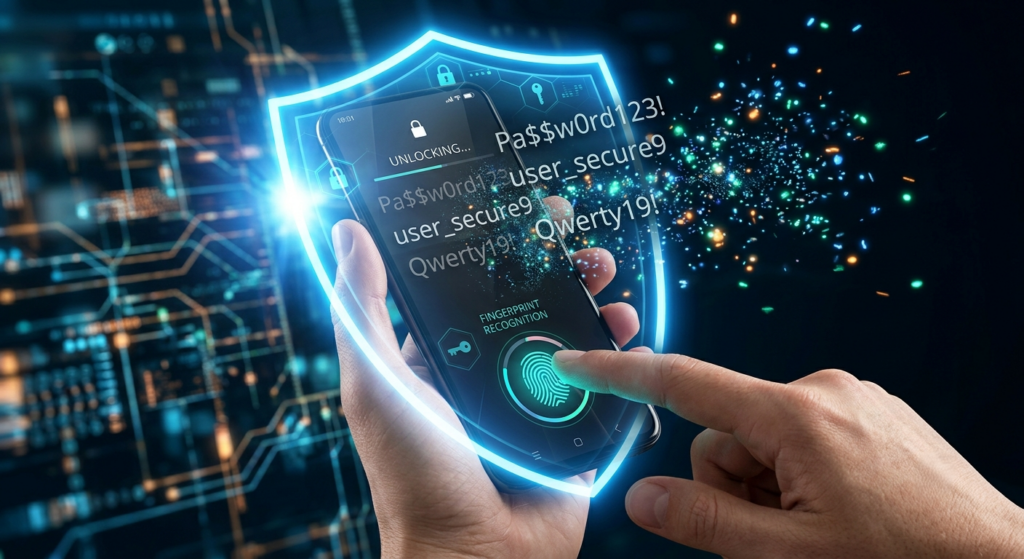
Mobile devices are becoming major targets for cybercriminals. Employees often use smartphones for emails, banking, and company access, making them valuable targets.
Attackers use methods like:
- Malicious apps
- Fake login pages
- SMS phishing
- Spyware infections
As mobile use continues growing, businesses must include mobile security in their protection strategies.
Strong mobile device management is becoming essential.
Remote Work Is Creating New Security Gaps
Remote work has changed how businesses operate, but it has also increased security risks.
Home networks often have weaker protection compared to office environments.
This creates risks such as:
- Unsecured Wi-Fi
- Personal device vulnerabilities
- Shared devices
- Weak access controls
Businesses must train employees and improve remote security policies.
Remote work security has become a major focus in 2026.
Read more: 10 Essential Cybersecurity for Remote Workers Tips to Stay Safe in 2026
Why Ethical Hacking Is More Important Than Ever
Ethical hacking has become one of the strongest defenses against modern cyber threats.
Security teams now use penetration testing to simulate attacks and identify weaknesses before criminals can exploit them.
Benefits include:
- Finding hidden vulnerabilities
- Testing employee awareness
- Improving response times
- Strengthening system defenses
As cybersecurity threats in 2026 continue evolving, ethical hacking will become even more important for businesses worldwide.
Read more: 8 Ways Ethical Hacking Will Shape Cybersecurity in 2026
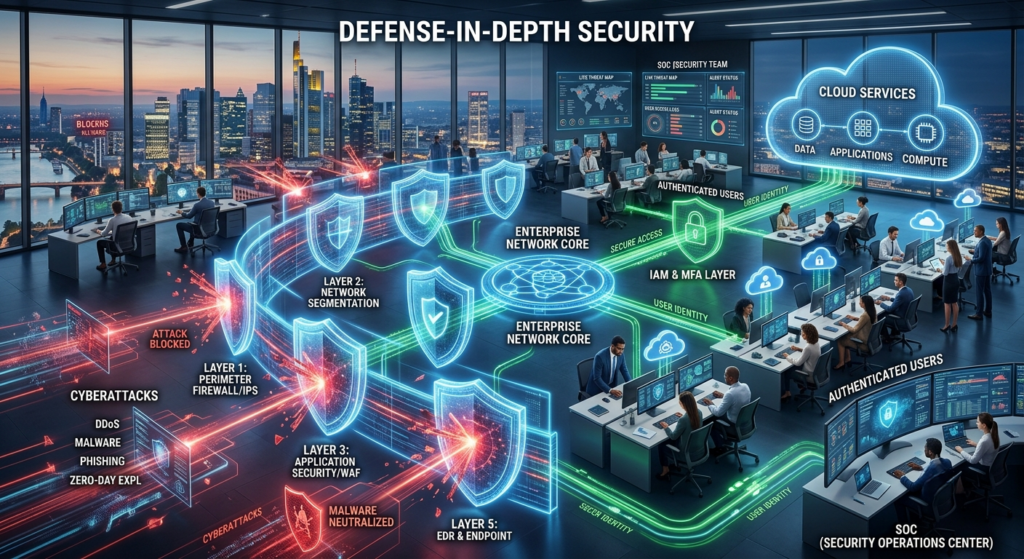
How Businesses Can Reduce Cybersecurity Threats in 2026
Businesses should focus on:
- Regular security audits
- Employee training
- Multi-factor authentication
- Network monitoring
- Backup systems
- Threat intelligence
Government organizations like CISA provide valuable security guidance.
Threat intelligence platforms like Kaspersky also help businesses stay updated.
Taking proactive action is now critical.
The Future of Cybersecurity Risks
The future will likely bring:
- Faster AI-driven attacks
- More cloud-focused exploits
- Better security automation
- Stronger Zero Trust systems
- More advanced mobile threats
Businesses must adapt continuously to stay protected.
Final Thoughts
Cybersecurity threats in 2026 are evolving faster than ever. From ransomware and AI attacks to cloud vulnerabilities, remote work risks, and insider threats, businesses face growing digital dangers.
Companies that prepare early with stronger security strategies, employee awareness, and ethical hacking assessments will be in a much better position to defend against future attacks.
CISA Cybersecurity
Kaspersky Threat Intelligence
8 Ways Ethical Hacking Will Shape Cybersecurity in 2026
10 Essential Cybersecurity for Remote Workers Tips to Stay Safe in 2026