9 Powerful Quantum Computing Breakthroughs Reshaping Technology in 2026
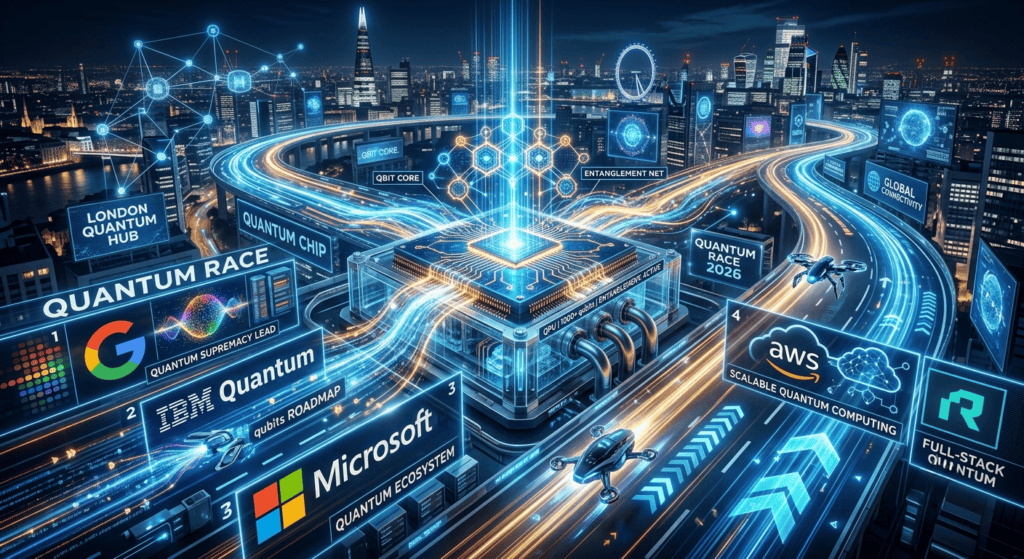
Quantum technology is becoming one of the most exciting fields in modern computing. Unlike traditional computers, quantum systems use qubits to process information in entirely different ways. This allows them to solve certain problems much faster than standard processors.
In 2026, quantum computing continues moving closer to practical use, opening new possibilities across science, business, and cybersecurity.
Why Quantum Technology Matters in 2026
Traditional computing has limits when solving highly complex calculations.
Quantum computing can improve areas such as:
- Scientific research
- Data analysis
- Cybersecurity
- Financial modeling
- Artificial intelligence
This makes it one of the most important future technologies.
How Quantum Computing Works
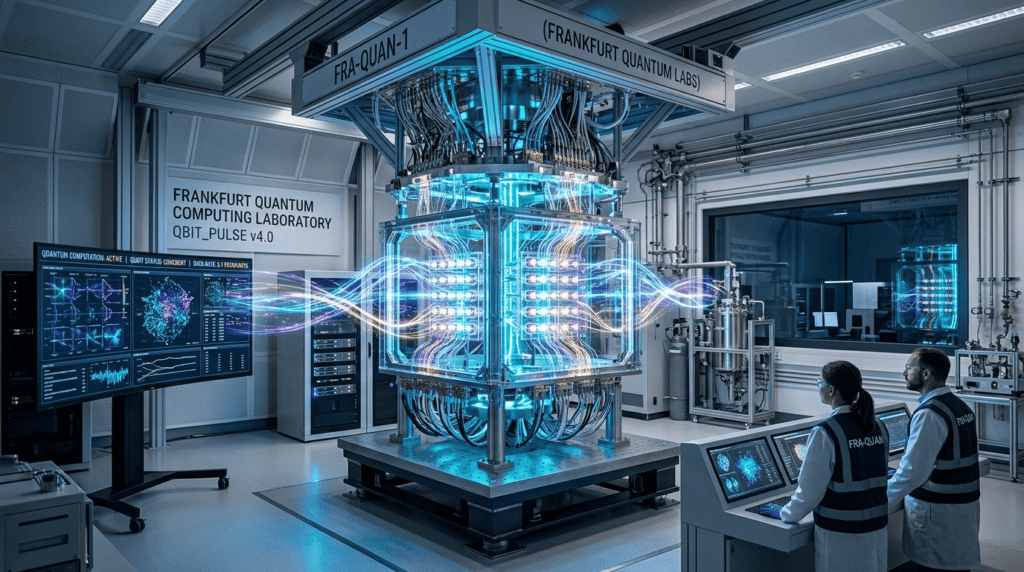
Quantum systems use qubits instead of normal binary bits.
Unlike standard bits that are either 0 or 1, qubits can exist in multiple states at the same time.
This creates advantages such as:
- Parallel processing
- Faster calculations
- Higher complexity solving
This is what makes quantum computing unique.
1. Faster Problem Solving
One of the biggest advantages is speed.
Quantum systems can process massive calculations much faster than traditional computers.
This is useful for:
- Complex simulations
- Medical research
- Financial predictions
Speed remains one of the strongest benefits.
2. Artificial Intelligence Integration
AI and quantum systems may become highly connected.
Quantum processors can improve machine learning by processing larger data sets more efficiently.
This could lead to:
- Faster training models
- Better prediction accuracy
- More advanced AI systems
AI innovation may accelerate significantly.
3. Stronger Scientific Research
Researchers are using quantum systems to solve difficult scientific problems.
This includes:
- Chemistry simulations
- Drug development
- Material science
- Climate research
Companies like IBM Quantum are leading this work.
This could improve scientific discovery dramatically.
4. Better Financial Modeling
Financial institutions are exploring quantum computing for risk analysis and market simulations.
Potential uses include:
- Investment forecasting
- Fraud detection
- Market analysis
This could improve financial decision-making.
5. Cybersecurity Challenges and Opportunities
Quantum computing may strengthen security but also create new risks.
Future quantum systems could break current encryption standards.
This creates major cybersecurity concerns.
Read more: 9 Dangerous Cybersecurity Threats in 2026 Every Business Must Prepare For
At the same time, quantum encryption may create stronger security systems.
6. Cloud-Based Quantum Access
Cloud computing is helping businesses access quantum systems remotely.
Companies like Google Quantum AI now provide experimental cloud-based quantum services.
This makes quantum technology more accessible.
Read more: 9 Powerful Cloud Computing Trends Every Business Must Watch in 2026
Cloud access is speeding up adoption.
7. Better Optimization for Logistics
Quantum systems can solve complex optimization problems.
This helps improve:
- Supply chains
- Delivery routes
- Manufacturing systems
- Resource planning
These improvements could save companies significant time and money.
8. Healthcare Innovations
Healthcare may benefit heavily from quantum computing.
Possible uses include:
- Faster drug discovery
- Personalized medicine
- Genetic research
Medical science could become much faster and more accurate.
9. Stronger Energy Research
Energy companies are also exploring quantum systems.
This may improve:
- Battery technology
- Renewable energy systems
- Material efficiency
These improvements could support sustainability efforts.
Challenges Facing Quantum Computing
Despite the progress, challenges remain.
High Costs
Quantum hardware remains expensive.
Stability Problems
Qubits are highly sensitive and difficult to maintain.
Limited Commercial Use
Practical large-scale use is still developing.
These challenges will take time to solve.
The Future of Quantum Computing
The future looks extremely promising.
Experts expect:
- More powerful quantum processors
- Better AI integration
- Stronger encryption systems
- Larger scientific breakthroughs
- Wider business adoption
Quantum computing may eventually transform many industries.
Final Thoughts
Quantum computing is moving from theory toward real-world applications. In 2026, it continues shaping the future of science, security, and advanced technology.
As quantum systems improve, they may become one of the most powerful technologies ever created.
9 Powerful Cloud Computing Trends Every Business Must Watch in 2026
9 Dangerous Cybersecurity Threats in 2026 Every Business Must Prepare For