Economic Outlook: 7 Critical Trends Shaping 2026
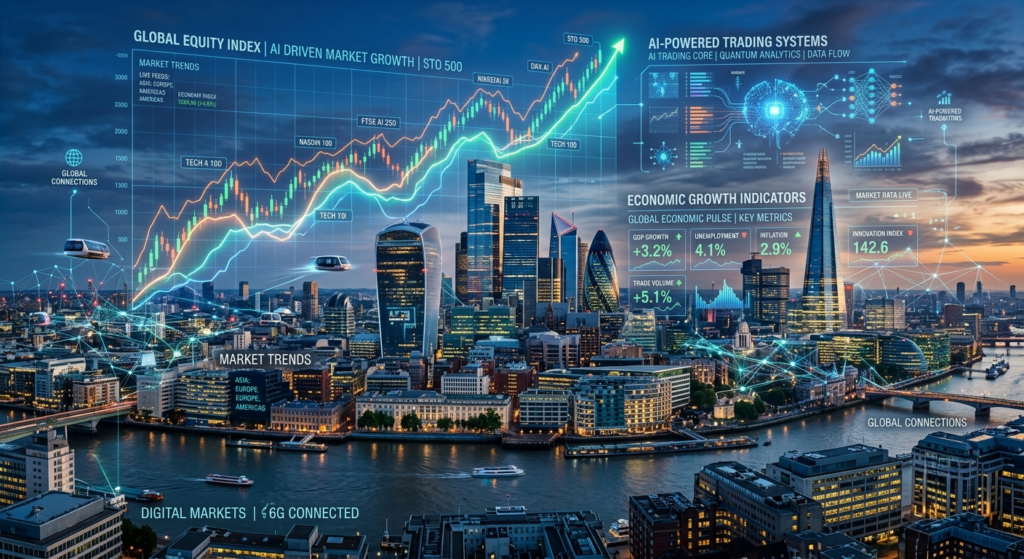
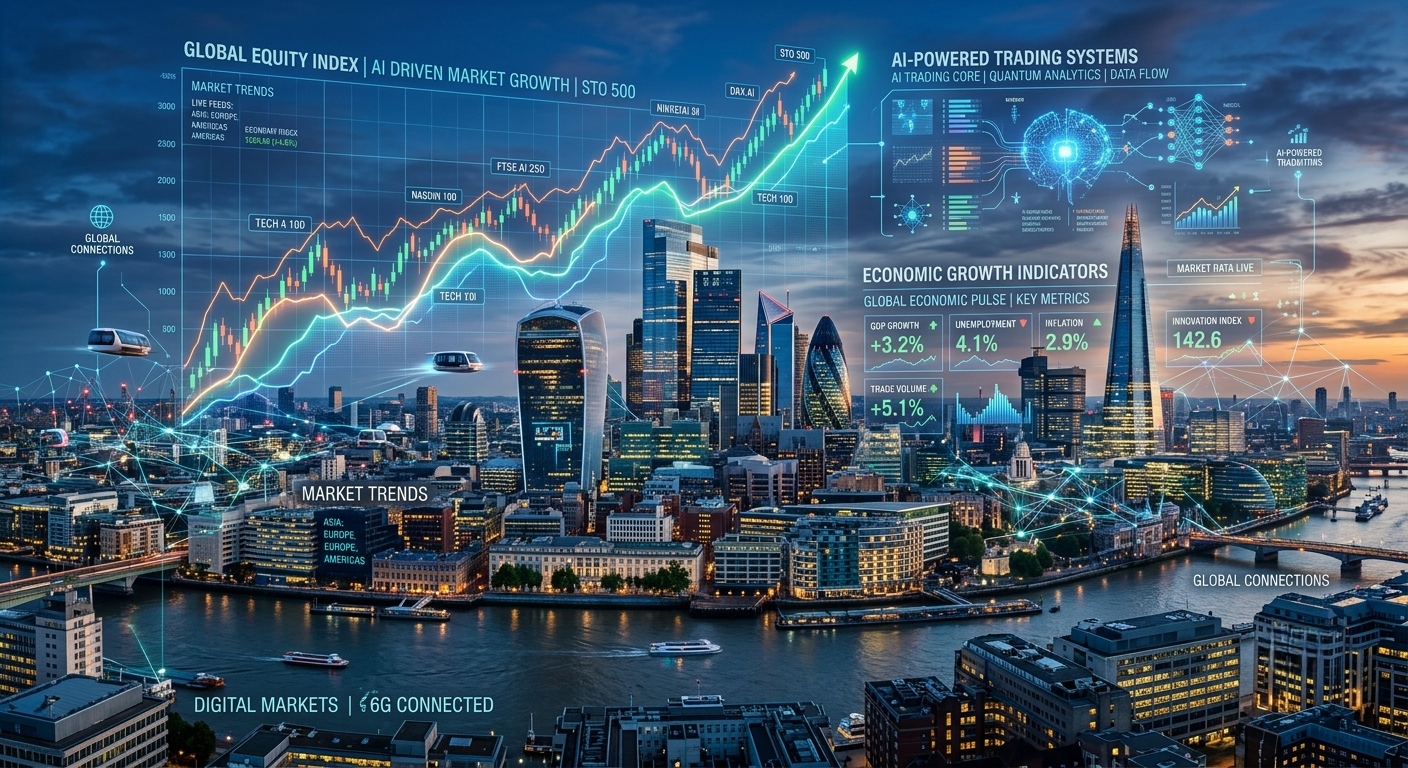
The Economic Outlook for 2026 shows a world balancing between growth and uncertainty. After years of inflation pressure, supply chain disruptions, and rapid technological shifts, global markets are entering a new phase of cautious optimism.
Businesses, investors, and governments are watching closely as artificial intelligence, energy markets, and changing labor trends reshape the economy.
Understanding the Economic Outlook is becoming essential for making smarter financial and business decisions.
Why Economic Outlook Matters
Economic conditions influence nearly everything:
- business investments
- consumer spending
- job markets
- technology growth
- global trade
The Economic Outlook for 2026 will affect industries far beyond finance.
It will shape how companies adapt and where innovation moves next.
1. Inflation Is Slowing but Still Matters
Inflation rates are stabilizing compared to previous years.
However, prices remain higher than before.
This affects:
- household budgets
- business expenses
- wages
- investment strategies
Lower inflation is positive, but uncertainty remains.
🔗 Official Resource: International Monetary Fund
2. AI Is Driving New Growth
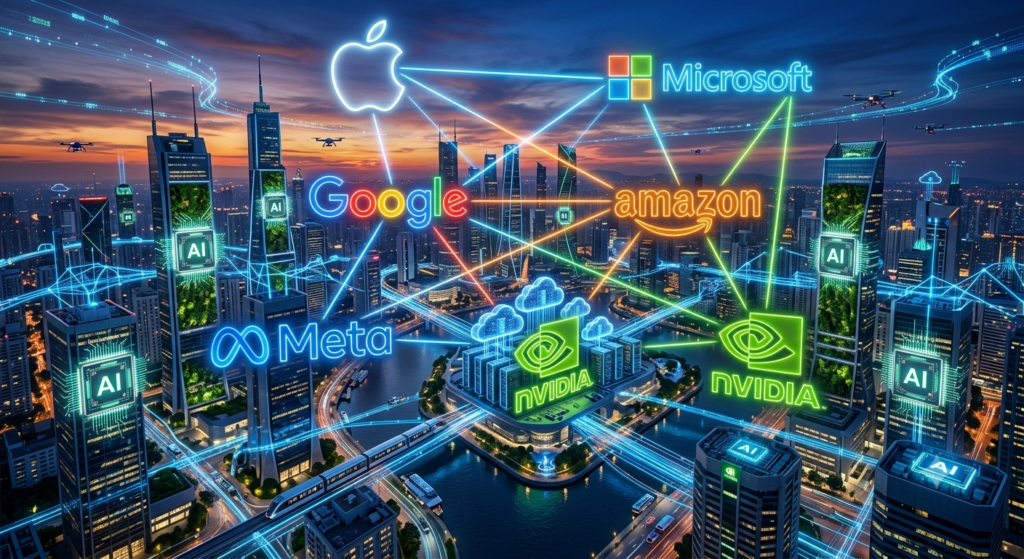
Artificial intelligence is becoming a major economic force.
It is increasing:
- productivity
- automation
- efficiency
- new job sectors
Many companies are investing heavily in AI systems.
This is one of the strongest growth drivers in the current Economic Outlook.
➡ Read Also: How AI Is Transforming Modern Industry
➡ Read Also: How Big Data Shapes Smarter Business Decisions
3. Interest Rates Are Changing Investment Behavior
Central banks are adjusting rates carefully.
Higher rates affect:
- borrowing costs
- mortgages
- startup funding
- market confidence
This changes how businesses invest and grow.
4. Green Energy Investments Are Rising
Renewable energy is becoming a major economic sector.
Governments and companies are investing more in:
- solar
- wind
- battery systems
- EV infrastructure
Green energy remains one of the fastest-growing industries.
🔗 Official Resource: World Bank
5. The Labor Market Is Evolving
Automation and AI are changing job structures.
This creates:
- new tech jobs
- fewer repetitive roles
- stronger demand for digital skills
Workforce transformation remains a major part of the Economic Outlook.
6. Global Trade Is Becoming More Complex
Trade routes and supply chains continue adjusting after geopolitical tensions.
Companies now focus on:
- regional manufacturing
- faster logistics
- supply diversification
This reduces dependency on single markets.
7. Tech Investments Remain Strong
Despite market caution, technology remains a leading investment area.
Key sectors include:
- AI
- cybersecurity
- cloud computing
- blockchain
- quantum technology
These areas continue attracting major funding.
The Biggest Risks Ahead
Despite optimism, challenges remain.
Geopolitical Tensions
Global conflicts can disrupt markets.
Inflation Pressure
Price instability may return.
Energy Costs
Energy remains unpredictable.
Debt Levels
Government debt continues rising.
These factors could slow growth.
What Comes Next
Experts expect:
- moderate economic growth
- stronger AI investment
- expanding green sectors
- shifting labor markets
- more digital transformation
The next year may be one of adjustment rather than major crisis.
How Technology Is Influencing the Global Economy
One of the biggest changes in the modern Economic Outlook is the growing role of technology. In past decades, industries like manufacturing, oil, and banking dominated economic growth. Today, technology is becoming the center of global expansion.
Artificial intelligence is increasing productivity across multiple sectors. Businesses are using AI to automate tasks, improve customer service, and reduce operational costs. This creates new growth opportunities but also changes job markets.
Cloud computing is another major economic force. Companies can now scale faster without large infrastructure investments. This lowers barriers for startups and accelerates innovation.
Cybersecurity has also become an economic priority. As digital systems expand, businesses must invest more to protect data and maintain trust.
Technology is now influencing:
- global trade systems
- investment strategies
- workforce demand
- productivity growth
- startup ecosystems
This means the future economy will depend heavily on digital transformation. Countries that invest in technology early may gain stronger economic advantages in the coming years.
That is why innovation remains one of the most important parts of the 2026 economic landscape.
Final Outlook
The Economic Outlook for 2026 shows cautious optimism. While risks remain, innovation, AI growth, and green investment are creating strong opportunities for businesses and investors.
The global economy is changing fast, and those who adapt early may benefit the most.