Table of Contents
ToggleCyber Warfare: 7 Dangerous Threats Shaping Global Security
Cyber Warfare has become one of the most serious threats facing the modern world. Unlike traditional wars fought with soldiers, tanks, and aircraft, cyber warfare takes place through computers, networks, and digital infrastructure. Governments, military organizations, and criminal groups are now capable of launching attacks that can disrupt entire countries without crossing a physical border.
In 2026, nations are investing billions of dollars into cyber defense because almost every essential service depends on digital technology. Electricity networks, financial institutions, airports, hospitals, communication systems, and government databases all rely on connected infrastructure. If these systems are compromised, the consequences can affect millions of people within minutes.
As countries become more dependent on technology, Cyber Warfare is evolving into one of the most important national security concerns of the digital age.
Why Cyber Warfare Matters
Modern society depends on digital infrastructure more than ever before.
Critical services include:
- electricity grids
- banking systems
- healthcare services
- transportation networks
- communication platforms
- emergency response systems
A successful cyber attack against any of these sectors can interrupt daily life, damage economies, and threaten public safety.
Unlike traditional military attacks, cyber operations can often remain hidden for weeks or even months before being discovered. Identifying the attackers is also extremely difficult, making retaliation far more complicated than in conventional warfare.
For this reason, cybersecurity is no longer just an IT issue—it has become a matter of national defense.
1. Critical Infrastructure Is Becoming a Primary Target
Critical infrastructure has become one of the main objectives in modern cyber conflicts.
Attackers increasingly target:
- energy providers
- power stations
- water facilities
- airports
- railway systems
- hospitals
Disrupting these services can create panic, financial losses, and operational chaos without any physical invasion.
Recent attacks around the world have shown that ransomware and network intrusions can temporarily shut down essential services, forcing organizations to spend millions on recovery while citizens experience major disruptions.
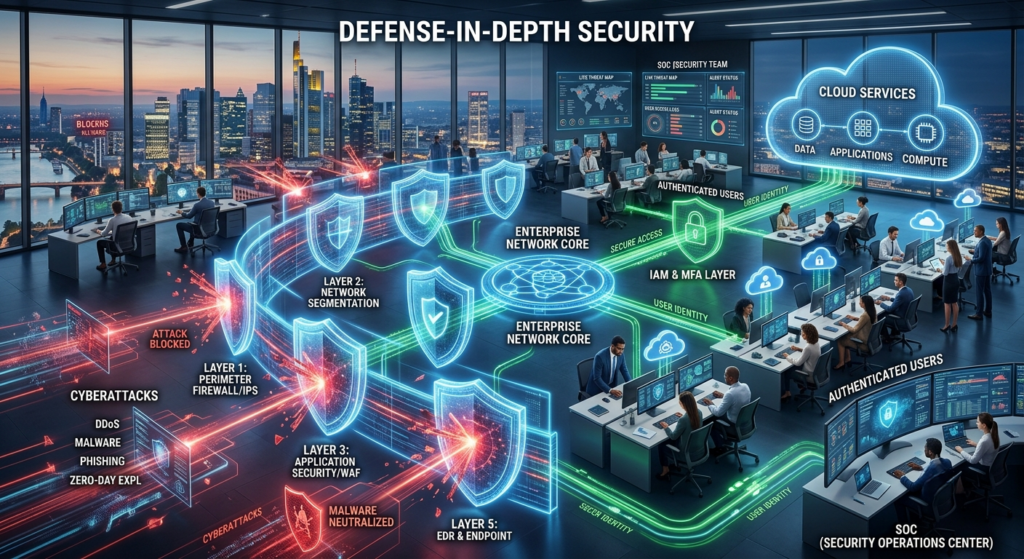
Protecting these systems requires continuous monitoring, regular software updates, employee training, and advanced threat detection technologies.
🔗 Official Resource: Cybersecurity and Infrastructure Security Agency (CISA)
2. Cyber Espionage Is Growing Rapidly
Cyber espionage has become one of the most effective intelligence tools used by governments.
Instead of relying only on traditional spies, nation-state groups now infiltrate computer networks to collect classified information without attracting attention.
Typical targets include:
- military research
- government agencies
- universities
- technology companies
- aerospace manufacturers
- defense contractors
These operations may remain undetected for long periods while sensitive information is quietly copied and transferred.
The stolen data can include military plans, scientific research, confidential communications, or intellectual property worth billions of dollars.
Because cyber espionage is difficult to detect and even harder to attribute, it remains one of the fastest-growing aspects of Cyber Warfare.
3. Financial Systems Face Constant Threats
Banks and financial institutions process enormous amounts of digital transactions every second.
This makes them attractive targets for both organized cybercriminals and state-sponsored hacking groups.
Potential consequences include:
- payment disruptions
- identity theft
- financial fraud
- ransomware attacks
- market instability
Even a temporary shutdown of a major financial institution could create uncertainty across global markets.
Modern banks therefore invest heavily in artificial intelligence, encryption, behavioral analytics, and continuous monitoring to reduce cyber risks.
➡ Read Also: Zero Trust Security Models Explained
➡ Read Also: Cybersecurity Threats Every Business Should Prepare For
4. Artificial Intelligence Is Transforming Cyber Warfare
Artificial intelligence has become one of the biggest technological developments in cybersecurity.
Security teams now use AI to:
- detect unusual behavior
- identify malware
- analyze billions of security events
- automate threat detection
Unfortunately, attackers are also benefiting from AI.
Cybercriminals now use artificial intelligence to generate convincing phishing emails, automate vulnerability scanning, and launch increasingly sophisticated attacks.
This has created an ongoing race between defenders and attackers, with both sides constantly improving their digital capabilities.
🔗 Official Resource: European Union Agency for Cybersecurity (ENISA)
5. Ransomware Is Becoming a Geopolitical Weapon
Ransomware attacks were once mainly associated with cybercriminals seeking financial gain. Today, they have evolved into a much larger threat. Some attacks are believed to be linked to nation-state groups or organizations operating with political motives, making ransomware an important element of modern Cyber Warfare.
Instead of targeting individuals, attackers now focus on organizations that provide essential public services.
Common targets include:
- hospitals
- government agencies
- energy providers
- logistics companies
- manufacturing facilities
- local governments
When these organizations lose access to their systems, the consequences can extend far beyond financial losses. Medical procedures may be delayed, transportation services disrupted, and public confidence weakened.
Many governments now classify ransomware as a national security issue rather than simply a form of cybercrime.
6. Military Operations Are Expanding Into Cyberspace
Modern military strategy is no longer limited to land, sea, air, and space. Cyberspace has become another operational domain where countries compete for strategic advantage.
Military cyber units now conduct operations designed to:
- gather intelligence
- disrupt communications
- disable enemy networks
- protect military systems
- identify security vulnerabilities
Unlike traditional warfare, cyber operations can be carried out without deploying troops or crossing international borders. This makes digital attacks attractive because they may achieve strategic objectives while reducing the risk of direct military confrontation.
As cyber capabilities continue improving, many experts believe future conflicts will involve significant cyber operations before any conventional military action begins.
7. International Cooperation Is Becoming Essential
No country can defend itself against cyber threats alone.
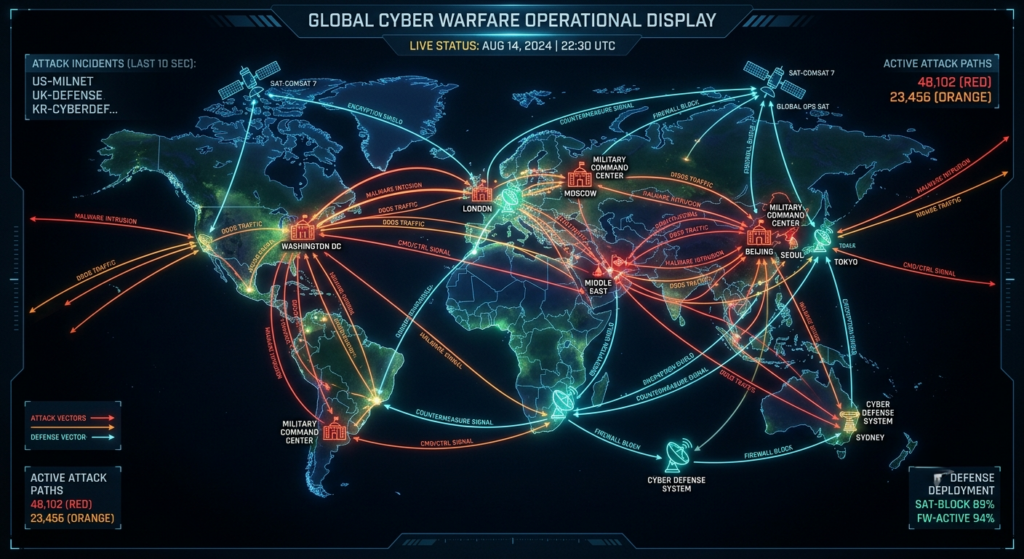
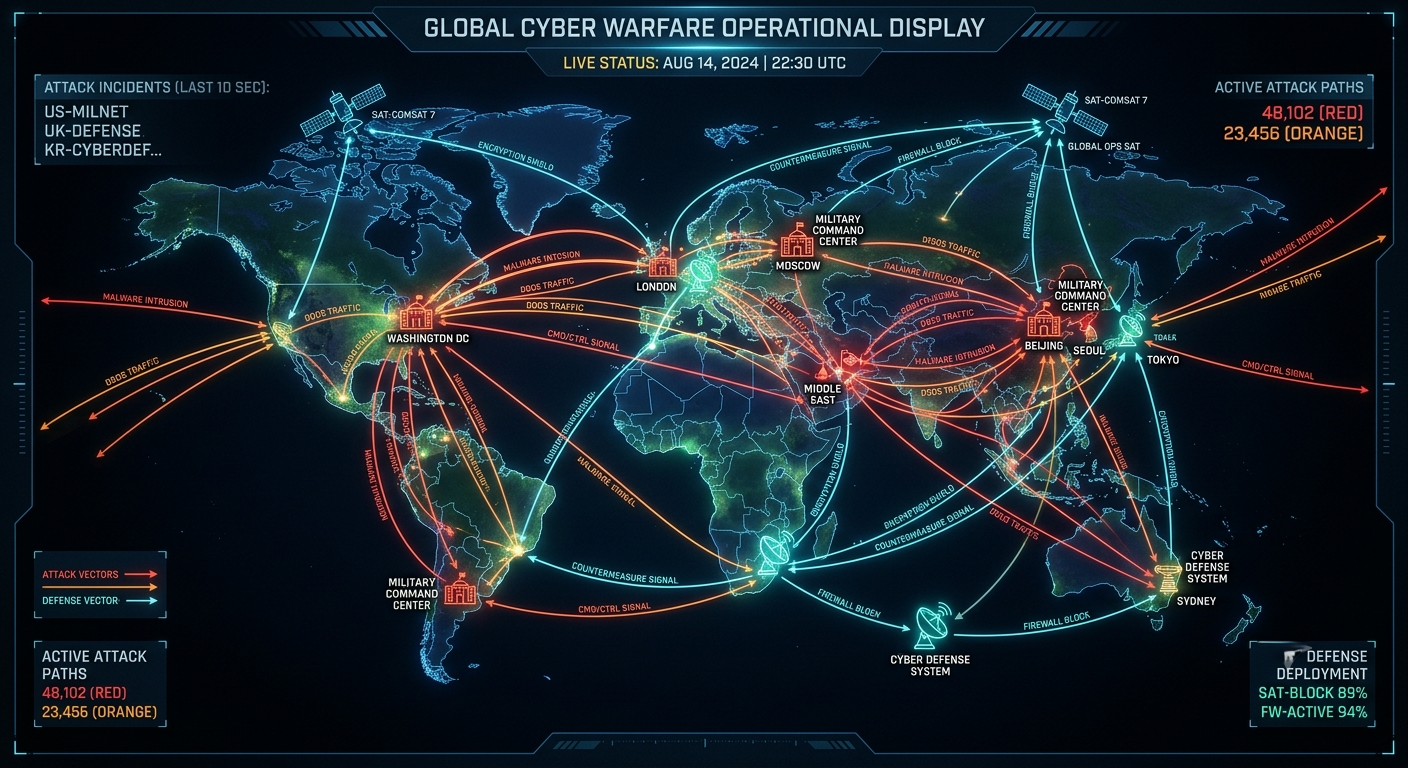
Modern attacks often originate from multiple locations around the world, making international cooperation critical for effective defense.
Governments are strengthening partnerships by:
- sharing cyber threat intelligence
- coordinating incident responses
- conducting joint cybersecurity exercises
- developing common security standards
- improving cross-border investigations
Technology companies are also playing an increasingly important role. Cloud providers, cybersecurity vendors, and software developers regularly work alongside governments to identify vulnerabilities and stop attacks before they spread.
As digital infrastructure becomes more interconnected, global cooperation will become even more important.
The Biggest Challenges Ahead
Although cybersecurity technologies continue improving, several major challenges remain.
Attribution Remains Difficult
Determining who launched a cyber attack is often extremely complex. Attackers frequently use compromised systems in multiple countries, making investigations slow and politically sensitive.
Technology Evolves Rapidly
New software, cloud services, AI systems, and connected devices create additional opportunities for attackers to discover vulnerabilities.
Skills Shortages
Many organizations struggle to recruit experienced cybersecurity professionals, leaving important systems understaffed and increasing overall risk.
Human Error
Despite advanced security technologies, many successful attacks still begin with phishing emails, weak passwords, or simple configuration mistakes. Regular employee training remains one of the most effective defenses.
What Comes Next
Experts believe Cyber Warfare will become even more sophisticated during the next decade.
Future developments are expected to include:
- greater use of artificial intelligence
- stronger protection for critical infrastructure
- increased investment in cyber defense
- closer international cooperation
- stricter cybersecurity regulations
- more advanced threat detection systems
Governments are likely to continue expanding dedicated cyber commands while businesses invest more heavily in protecting their digital operations.
As technology becomes increasingly integrated into everyday life, cybersecurity will remain a top priority for both the public and private sectors.
Final Outlook
Cyber Warfare is no longer a future concern—it is already shaping global security. Governments, businesses, and critical infrastructure providers face increasingly sophisticated digital threats that can disrupt economies, compromise sensitive information, and affect millions of people.
While modern technology creates enormous opportunities, it also introduces new risks that require constant vigilance. Protecting digital infrastructure will demand ongoing investment, international cooperation, skilled cybersecurity professionals, and continuous innovation.
As the digital world continues to expand, the ability to defend against cyber attacks will become just as important as protecting physical borders. The nations and organizations that prepare today will be far better positioned to face the cybersecurity challenges of tomorrow.