

7 Essential Zero Trust Security Models Reshaping Cyber Defense in 2026
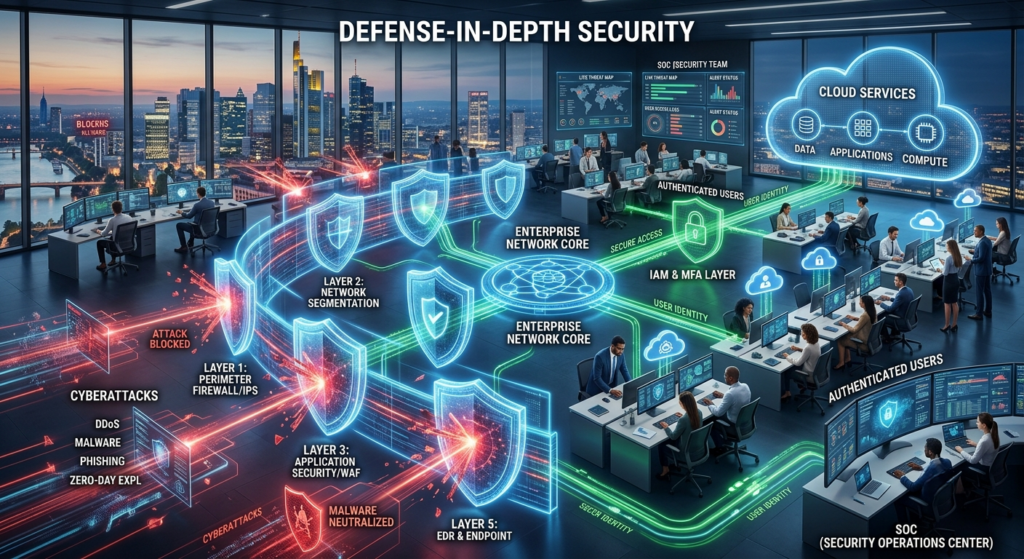
Cybersecurity is no longer just about building strong walls around a network. In 2026, attackers are smarter, threats are more advanced, and traditional perimeter-based security is no longer enough. This is why Zero Trust Security Models have become one of the most important cybersecurity strategies for modern businesses.
The core idea behind Zero Trust is simple: trust nothing, verify everything.
Instead of assuming users or devices inside a network are safe, Zero Trust continuously verifies identity, behavior, and access requests. This approach helps reduce insider threats, prevent unauthorized access, and strengthen security across digital environments.
As remote work, cloud computing, and mobile access continue growing, Zero Trust is becoming a necessary defense model.
Why Zero Trust Security Models Matter More Than Ever
Traditional security systems were designed for a different era.
In the past, businesses mainly protected on-premise systems behind firewalls. Today, employees access cloud platforms, remote servers, and mobile applications from anywhere.
This creates new risks such as:
- Stolen credentials
- Insider threats
- Lateral movement attacks
- Cloud vulnerabilities
- Unauthorized access
This is where Zero Trust Security Models become critical.
Key advantages include:
- Stronger identity verification
- Better access control
- Reduced breach impact
- Improved compliance
- Enhanced cloud security
The model shifts security from location-based trust to identity-based trust.
1. Identity Verification Becomes the First Security Layer
The foundation of Zero Trust starts with identity.
Before anyone accesses a system, they must prove who they are.
This often includes:
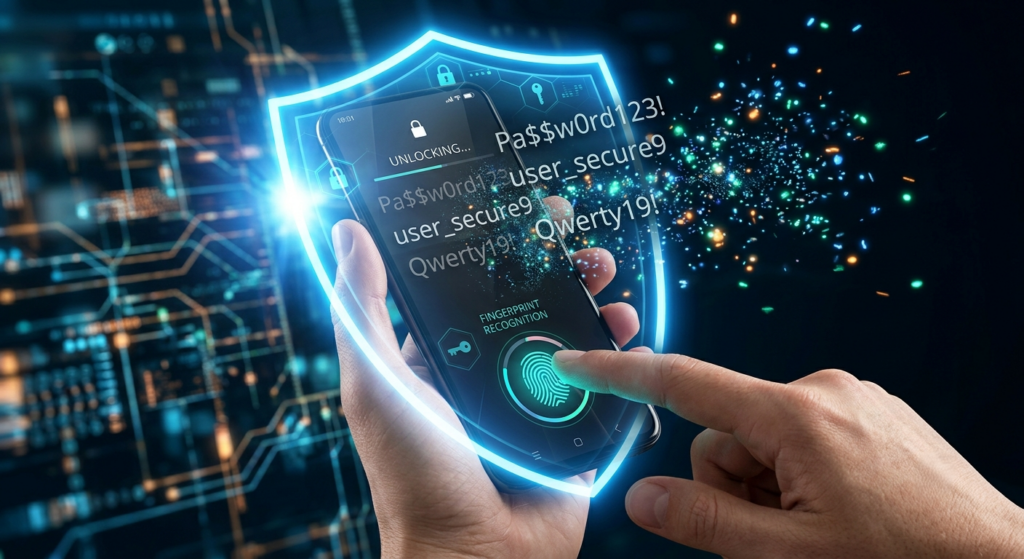
- Multi-factor authentication
- Biometric verification
- Device validation
- Behavioral analysis
Identity-first security reduces the risk of stolen passwords being enough for access.
This is one of the strongest pillars of Zero Trust Security Models.
🔗 Official Resource: Microsoft Zero Trust
🔗 Official Resource: Google BeyondCorp
2. Least Privilege Access Reduces Risk
Zero Trust limits user permissions.
Employees only get access to what they need.
This means:
- Fewer exposed systems
- Lower insider risk
- Better data protection
- Reduced attack surfaces
If an account is compromised, the damage stays limited.
Least privilege is a major reason Zero Trust Security Models are so effective.
➡ Read Also: The Future of Biometric Security
➡ Read Also: How Big Data Shapes Modern Decisions
3. Continuous Monitoring Improves Threat Detection
Security does not stop after login.
Zero Trust continuously monitors user behavior and system activity.
This helps detect:
- Unusual logins
- Suspicious file access
- Strange network activity
- Privilege escalation attempts
Continuous monitoring makes it easier to stop attacks before they spread.
This is one of the most practical strengths of Zero Trust Security Models.
4. Micro-Segmentation Stops Lateral Movement
Micro-segmentation divides networks into smaller secure zones.
If an attacker enters one area, they cannot easily move across the entire network.
Benefits include:
- Better containment
- Reduced attack spread
- Improved visibility
- Stronger internal security
This is especially important for enterprise cloud environments.
Micro-segmentation is a core part of modern Zero Trust Security Models.
5. Cloud Security Becomes Stronger
Cloud adoption is increasing rapidly.
Traditional perimeter security struggles in cloud environments.
Zero Trust improves cloud security by enforcing:
- Identity checks
- Device validation
- Session monitoring
- Data access controls
This makes Zero Trust essential for hybrid and multi-cloud systems.
🔗 Official Resource: CISA Zero Trust Maturity Model
🔗 Official Resource: NIST Zero Trust Architecture
6. AI Is Strengthening Zero Trust Systems
Artificial intelligence is helping Zero Trust systems become smarter.
AI can analyze:
- Login behavior
- Network traffic
- Device health
- Threat patterns
This improves automated threat detection and faster response times.
AI integration is becoming one of the fastest-growing parts of Zero Trust Security Models.
➡ Read Also: New Developments in AI
➡ Read Also: The Impact of 6G on Global Connectivity
7. Compliance and Data Protection Improve
Zero Trust also helps businesses meet compliance requirements.
Regulations often require:
- Strong access controls
- User verification
- Data protection
- Audit logs
Zero Trust makes it easier to maintain these standards.
This is especially important for industries like healthcare, banking, and government.
What’s Holding Zero Trust Back?
Despite its advantages, Zero Trust has challenges.
Complex Implementation
Migrating from traditional systems can be difficult.
Higher Initial Costs
New tools and architecture changes require investment.
User Resistance
More verification can create friction for employees.
Legacy System Compatibility
Older systems may not fully support Zero Trust principles.
These barriers can slow adoption.
Future Trends Ahead
The future of Zero Trust looks strong.
Experts expect:
- More AI-powered verification
- Passwordless authentication
- Stronger cloud-native security
- Advanced biometric integration
- Automated access decisions
As cyber threats evolve, Zero Trust will likely become a standard across industries.
The model is moving from optional to essential.
Key Takeaways
Zero Trust Security Models are changing how businesses protect data, systems, and users. Instead of relying on outdated perimeter security, Zero Trust focuses on constant verification, limited access, and smarter threat detection.
As organizations continue expanding into cloud, remote work, and connected devices, this security model will become even more important.
In 2026, trusting less may be the smartest security strategy of all.