Edge Computing: 7 Powerful Trends Transforming Real-Time Technology
As connected devices become more intelligent and generate enormous amounts of data, traditional cloud computing alone can no longer meet every performance requirement. Edge Computing is emerging as one of the most important technologies of the digital era by moving data processing closer to where information is created instead of relying entirely on distant cloud data centers.
In 2026, businesses, governments, and technology companies are investing heavily in edge computing because it delivers faster response times, reduces network congestion, improves security, and supports real-time applications that simply cannot tolerate delays. From autonomous vehicles and smart factories to healthcare systems and connected cities, edge computing is quietly becoming the foundation behind many of today’s most advanced technologies.
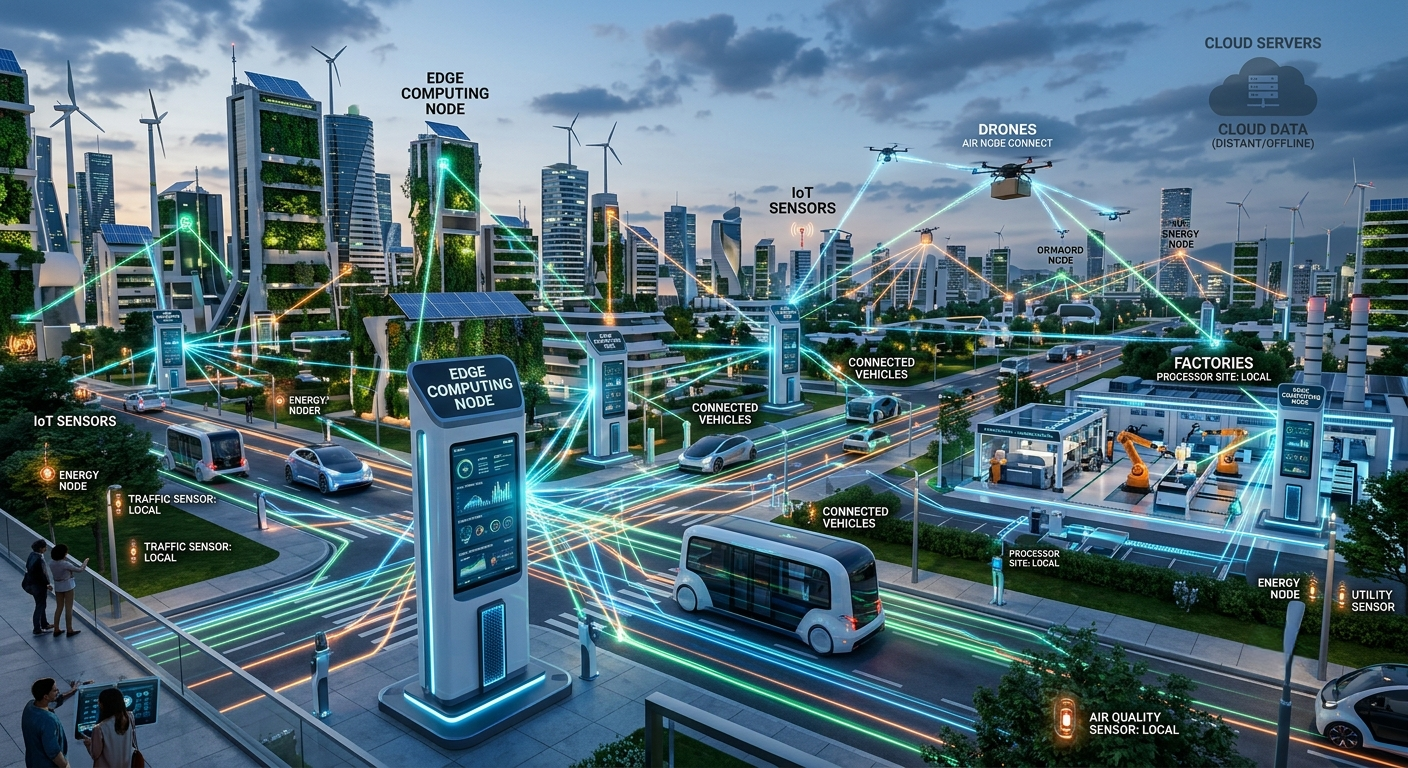
Rather than replacing cloud computing, edge computing complements it by allowing critical decisions to happen locally while larger data analysis and storage remain in the cloud. This combination creates faster, smarter, and more reliable digital services.
Why Edge Computing Matters
Every second, billions of connected devices generate massive amounts of information.
These include:
- smartphones
- smart cameras
- autonomous vehicles
- industrial sensors
- medical equipment
- smart home devices
Sending every piece of data to a distant cloud server creates delays, increases bandwidth usage, and may introduce security concerns.
Edge Computing solves this problem by processing important information much closer to the source. This reduces latency while allowing systems to react almost instantly.
For applications where milliseconds matter, local processing can make a significant difference.
1. Real-Time Decision Making Is Becoming Essential
Many modern technologies depend on immediate responses.
Examples include:
- autonomous driving
- industrial automation
- robotics
- emergency response systems
- intelligent surveillance
Even a small delay can reduce performance or create safety risks.
With edge computing, data is analyzed locally before being sent to centralized cloud systems. This allows devices to react immediately without waiting for information to travel across long network connections.
As industries increasingly rely on automation, real-time computing is becoming a major competitive advantage.
🔗 Official Resource: IBM Edge Computing
2. Artificial Intelligence Works Faster at the Edge
Artificial intelligence requires enormous computing power, but not every AI decision needs to happen inside a large cloud data center.
Edge AI allows intelligent systems to process information directly on local devices.
This improves:
- response speed
- privacy
- reliability
- offline capabilities
- bandwidth efficiency
For example, a security camera using edge AI can detect unusual activity immediately without continuously uploading video to the cloud.
This makes intelligent devices faster while reducing network traffic.
As AI continues expanding into everyday products, edge computing will become increasingly important.
➡ Read Also: AI Agents: 7 Powerful Ways They Will Transform Daily Life
➡ Read Also: Big Data: How Information Is Transforming Modern Decisions
3. Smart Factories Are Becoming More Efficient
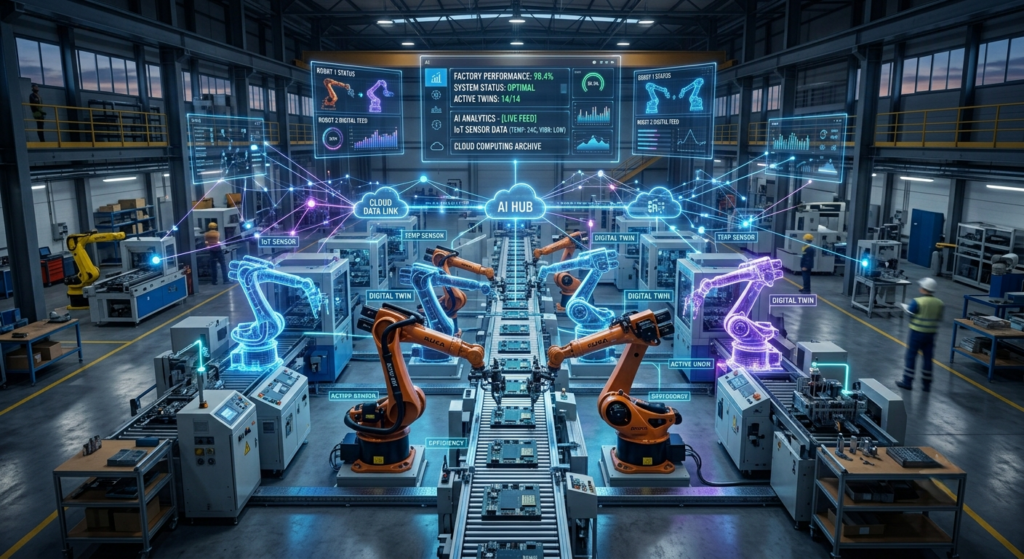
Manufacturing is one of the industries benefiting most from Edge Computing.
Modern factories contain thousands of connected sensors monitoring equipment, production quality, and machine performance.
Edge systems help factories:
- detect equipment failures
- optimize production
- reduce downtime
- improve quality control
- monitor energy consumption
Instead of waiting for cloud servers to analyze production data, machines can react instantly to changing conditions.
This increases productivity while reducing operating costs.
Industrial automation continues expanding as companies pursue smarter manufacturing under the Industry 4.0 model.
4. Autonomous Vehicles Depend on Instant Processing
Self-driving vehicles must constantly analyze their surroundings while making split-second driving decisions.
Every journey requires processing information from:
- cameras
- radar
- LiDAR
- GPS
- vehicle sensors
Waiting for cloud servers to respond would introduce unacceptable delays.
Edge computing allows vehicles to process most safety-critical information locally while still communicating with cloud services for navigation updates, fleet management, and software improvements.
This combination improves safety while supporting future autonomous transportation systems.
🔗 Official Resource: Intel Edge Computing
5. Healthcare Is Delivering Faster Patient Care
Healthcare systems generate enormous amounts of medical information every day. Doctors, hospitals, and emergency responders increasingly rely on Edge Computing to process critical data closer to patients instead of waiting for cloud servers.
Edge-enabled healthcare devices can:
- monitor heart rate
- analyze medical images
- track patient vital signs
- support remote healthcare
- detect medical emergencies
For example, wearable health devices can instantly detect abnormal heart rhythms and alert medical professionals without unnecessary delays. In emergency situations, every second matters, making local data processing essential.
Hospitals also benefit because sensitive patient information can often be processed locally before selected data is securely synchronized with cloud systems.
6. Cybersecurity Is Becoming Stronger
As billions of connected devices communicate across global networks, cybersecurity has become one of the biggest priorities for organizations using Edge Computing.
Processing information closer to its source offers several security advantages.
Edge infrastructure can:
- detect suspicious activity faster
- isolate compromised devices
- reduce unnecessary data transfers
- strengthen privacy protection
- improve network resilience
Instead of sending every piece of information across the internet, only the most important data needs to reach centralized cloud platforms.
This approach reduces potential attack surfaces while allowing security systems to react more quickly to emerging threats.
As cyber attacks continue becoming more sophisticated, combining edge computing with artificial intelligence is helping organizations improve real-time threat detection.
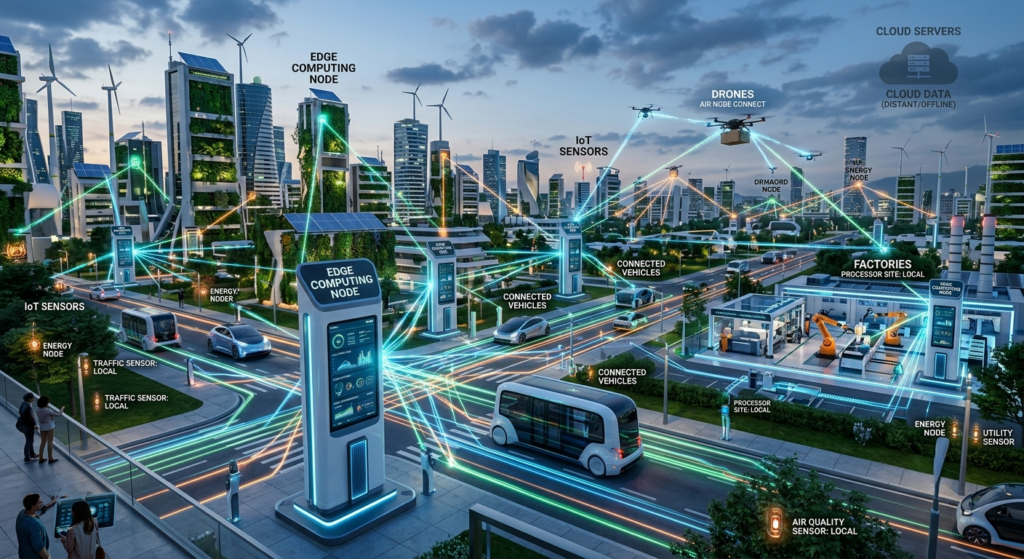
7. Smart Cities Are Powered by Edge Computing
Modern cities are becoming increasingly connected through intelligent infrastructure.
Traffic lights, surveillance systems, environmental sensors, public transportation, and utility networks continuously generate massive amounts of data.
Edge Computing allows these systems to process information locally, enabling faster decisions and more efficient city management.
Examples include:
- intelligent traffic control
- smart parking systems
- public safety monitoring
- environmental sensors
- energy management
- connected public transportation
Instead of waiting for cloud servers to process every event, edge devices respond immediately while sending summary data to centralized systems for long-term analysis.
This improves efficiency while reducing network congestion across large urban environments.
Challenges Facing Edge Computing
Although the benefits are significant, several challenges remain.
Infrastructure Costs
Deploying thousands of edge devices requires substantial investment in hardware, networking, and maintenance.
Device Management
Organizations must securely manage and update large numbers of distributed edge devices across multiple locations.
Security Complexity
While edge computing improves response times, every connected device represents another endpoint that must be protected from cyber threats.
Standardization
As the industry grows, companies continue working toward common standards that allow different edge platforms and devices to communicate more effectively.
Despite these challenges, investment in edge infrastructure continues increasing as organizations recognize its long-term value.
What Comes Next
Experts believe Edge Computing will become even more important during the next decade.
Future developments are expected to include:
- wider deployment of Edge AI
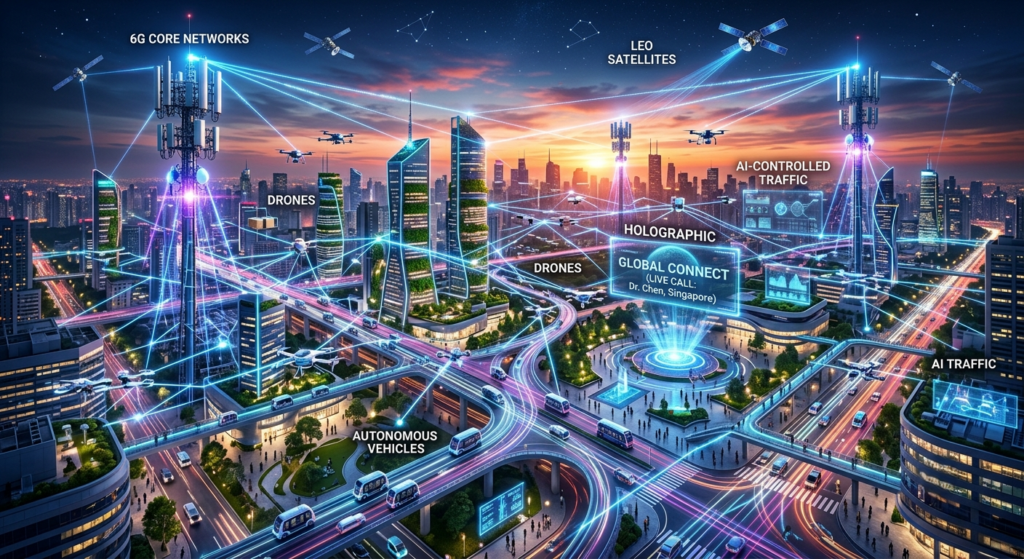
- closer integration with 6G networks
- smarter autonomous vehicles
- larger Industrial IoT ecosystems
- advanced robotics
- digital twin technologies
Rather than replacing cloud computing, edge computing will work alongside it to create hybrid infrastructures capable of delivering faster, more intelligent digital services.
This combination will support the growing demand for real-time applications across nearly every industry.
Final Outlook
Edge Computing is rapidly becoming one of the most important technologies behind the modern digital economy. By processing information closer to connected devices, it enables faster decision-making, reduces latency, strengthens cybersecurity, and supports applications that depend on real-time performance.
From autonomous vehicles and smart factories to healthcare, connected cities, and artificial intelligence, edge computing is quietly reshaping how digital systems operate. Its ability to complement cloud computing rather than replace it makes it a critical building block for the next generation of intelligent infrastructure.
As businesses continue investing in connected technologies and AI-powered services, Edge Computing will play an increasingly central role in delivering the speed, reliability, and efficiency required for tomorrow’s digital world.