Solid-State Batteries: 8 Breakthroughs That Could Transform Electric Cars
Battery technology has become one of the most important factors shaping the future of electric vehicles. While today’s lithium-ion batteries have enabled remarkable progress, researchers and manufacturers are already working on an even more advanced solution. Solid-State Batteries promise longer driving ranges, faster charging, improved safety, and greater energy efficiency, making them one of the most anticipated innovations in the automotive industry.
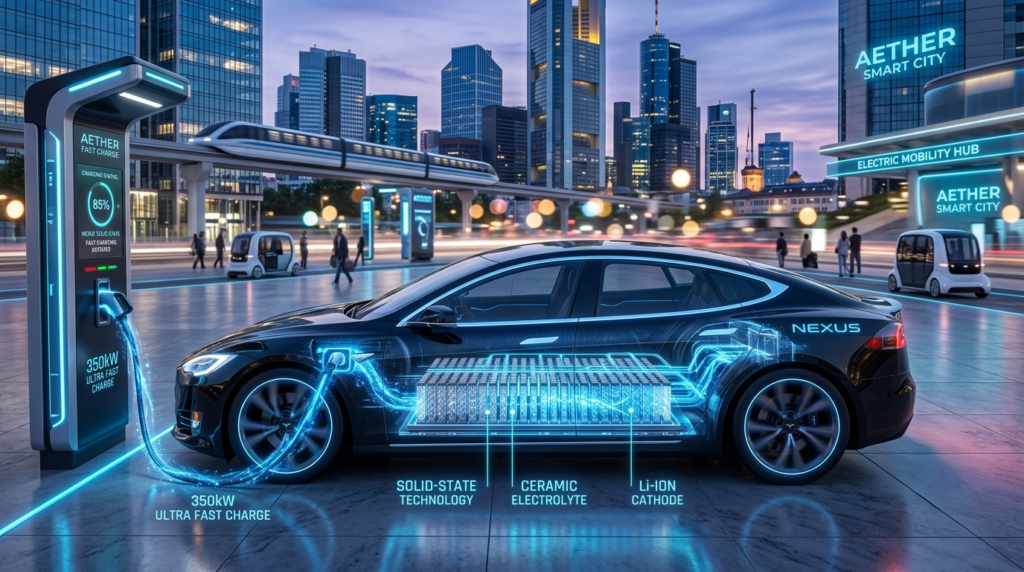
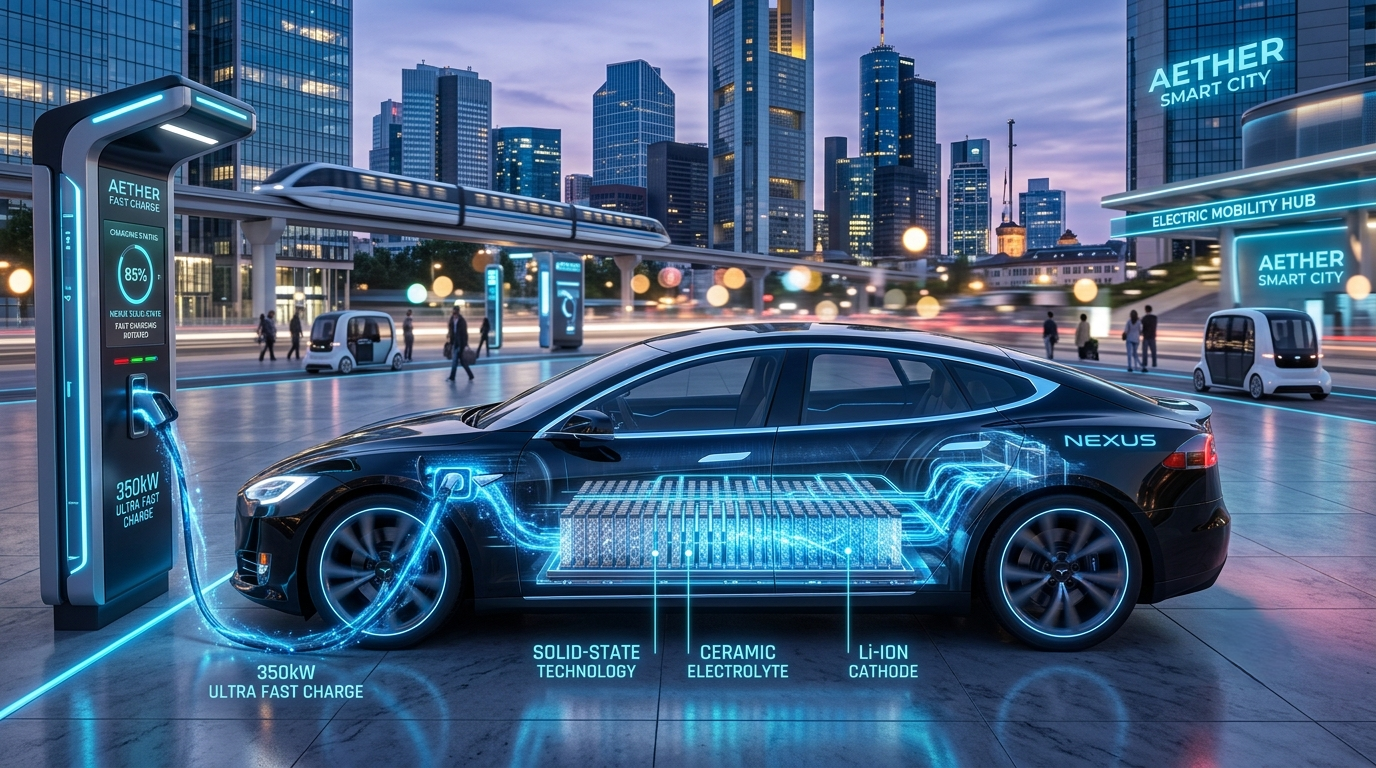
Unlike conventional lithium-ion batteries that use liquid electrolytes, solid-state batteries replace the liquid with solid materials. This seemingly simple change could dramatically improve battery performance while reducing several of the limitations that electric vehicle owners face today.
Although the technology is still under development, many leading automakers and battery manufacturers believe solid-state batteries could become the next major breakthrough in electric mobility.
Why Solid-State Batteries Matter
Electric vehicles continue gaining popularity worldwide, but battery technology still presents several challenges.
Drivers often consider:
- charging speed
- driving range
- battery lifespan
- safety
- long-term reliability
- vehicle cost
Solid-State Batteries aim to improve nearly every one of these areas.
If successfully commercialized on a large scale, they could significantly accelerate the global transition toward electric transportation.
1. Longer Driving Range Could Become Reality
One of the biggest advantages of Solid-State Batteries is their higher energy density.
Higher energy density means more electricity can be stored inside the same battery size.
Potential benefits include:
- longer driving range
- smaller battery packs
- lighter vehicles
- improved efficiency
- reduced charging frequency
Future electric vehicles equipped with solid-state batteries may travel considerably farther on a single charge than many current models.
For drivers who regularly take long trips, this could greatly reduce concerns about finding charging stations.
🔗 Official Resource: <a href=”https://www.energy.gov” target=”_blank”>U.S. Department of Energy</a>
2. Charging Times Could Become Much Shorter
Charging speed remains one of the biggest concerns for many potential electric vehicle buyers.
Researchers believe Solid-State Batteries may support significantly faster charging without compromising battery life.
This could allow future vehicles to:
- recharge more quickly
- reduce waiting times
- improve travel convenience
- increase charging efficiency
Instead of planning lengthy charging stops during long journeys, drivers may eventually spend only a fraction of today’s charging time.
While exact performance will depend on future commercial designs, faster charging remains one of the technology’s most exciting promises.
3. Improved Safety Is a Major Advantage
Traditional lithium-ion batteries use liquid electrolytes that can become unstable under extreme conditions.
Solid-state technology removes this liquid component, reducing several potential safety concerns.
Possible improvements include:
- greater thermal stability
- lower fire risk
- improved resistance to damage
- enhanced battery durability
Although no battery technology is completely risk-free, engineers believe solid electrolytes could significantly improve overall battery safety.
This is especially important as electric vehicles become more powerful and battery capacities continue increasing.
➡ Read Also: BYD: Incredible Innovations Powering the Future of Electric Cars
➡ Read Also: XPENG: Incredible Innovations Driving the Future of Electric Cars
4. Longer Battery Lifespan Could Reduce Ownership Costs
Battery replacement is one of the largest long-term expenses associated with electric vehicles.
Because solid-state batteries experience less chemical degradation, many researchers expect them to last longer than conventional lithium-ion batteries.
Potential advantages include:
- more charging cycles
- slower capacity loss
- improved long-term reliability
- reduced maintenance costs
A longer-lasting battery would benefit both private owners and commercial fleets by lowering the overall cost of ownership.
It could also improve resale values as buyers gain greater confidence in long-term battery performance.
🔗 Official Resource: SAE International
5. Major Automakers Are Investing Billions
The race to commercialize solid-state batteries has become one of the most important competitions in the automotive industry. Nearly every major manufacturer recognizes that battery technology will determine the next generation of electric vehicles.
Several companies are investing heavily in research and development, including:
- Toyota
- Nissan
- Honda
- BMW
- Mercedes-Benz
- Volkswagen Group
- Samsung SDI
- QuantumScape
Each company is exploring different battery materials and manufacturing methods to improve performance while reducing production costs.
Although development timelines vary, the competition is accelerating innovation across the entire electric vehicle industry.
6. Manufacturing Remains the Biggest Challenge
Despite their enormous potential, solid-state batteries are still difficult to manufacture on a large scale.
Current challenges include:
- high production costs
- complex manufacturing processes
- material limitations
- large-scale quality control
- supply chain development
Unlike conventional lithium-ion batteries, solid-state cells require new production techniques and specialized equipment.
Manufacturers must also ensure consistent performance across millions of battery cells before mass production becomes economically viable.
Reducing manufacturing costs remains one of the industry’s highest priorities.
7. Sustainability Could Improve Even Further
Battery sustainability is becoming increasingly important as electric vehicle adoption continues to grow.
Solid-state technology may contribute to a more sustainable future by offering:
- longer battery lifespan
- fewer battery replacements
- improved material efficiency
- reduced electronic waste
- better resource utilization
Because batteries may last longer, fewer replacements would be required during a vehicle’s lifetime. This could reduce demand for raw materials while lowering the environmental impact associated with battery production.
Researchers are also investigating new recycling methods that could recover valuable materials more efficiently once these batteries reach the end of their service life.
8. Commercial Adoption Is Getting Closer
While solid-state batteries are not yet widely available in consumer vehicles, progress has accelerated significantly over the past few years.
Many industry experts expect the first large-scale commercial applications to appear gradually before broader adoption throughout the next decade.
Initial deployment will likely begin in:
- premium electric vehicles
- luxury performance models
- commercial fleets
- high-performance applications
As production increases and manufacturing becomes more efficient, costs are expected to decline, allowing the technology to reach more affordable vehicle segments.
Although widespread adoption will take time, momentum continues building across the automotive industry.
Challenges Still Ahead
Even with impressive progress, several obstacles remain before solid-state batteries become the industry standard.
Production Costs
Current manufacturing costs remain significantly higher than traditional lithium-ion batteries.
Scaling Production
Producing millions of high-quality battery cells consistently is one of the industry’s biggest engineering challenges.
Material Availability
Some advanced materials require further research before large-scale commercial production becomes practical.
Infrastructure Adaptation
Manufacturers, suppliers, and charging systems must continue evolving to support next-generation battery technologies.
Overcoming these challenges will require continued investment, research, and collaboration across the automotive sector.
What Comes Next
Experts believe solid-state batteries could become one of the defining technologies of future electric mobility.
Expected developments include:
- driving ranges exceeding current EV standards
- significantly faster charging
- lighter battery packs
- higher energy density
- improved battery safety
- lower long-term ownership costs
As battery technology continues advancing, electric vehicles are expected to become even more practical for everyday drivers while supporting the broader transition toward cleaner transportation.
Final Outlook
Solid-state batteries represent one of the most promising developments in electric vehicle technology. By offering the potential for longer driving ranges, faster charging, greater safety, and extended battery life, they could address many of the challenges that still influence EV adoption today.
Although large-scale commercialization will require further engineering breakthroughs and lower production costs, investment from leading automakers and battery manufacturers demonstrates strong confidence in the technology’s future.
As research continues and manufacturing capabilities improve, solid-state batteries are expected to play a central role in the next generation of electric vehicles, bringing cleaner, safer, and more efficient transportation closer to reality.